If you’ve ever stood in a packaging supply aisle, squinting at a rack of sealing tape labeled “permanent bag sealing tape,” you might’ve stopped and thought: “Is this only clear? Or do other colors matter here?” As someone who’s spent the last 12 years working hands-on with a team that manufactures and distributes this exact tape for food processors, e-commerce brands, and agricultural packagers, I can tell you the answer isn’t one-size-fits-all. The colors permanent bag sealing tape comes in tie directly to function, compliance, and even brand identity—stuff most suppliers gloss over, but that matters when you’re sealing 10,000 grocery bags or 50,000 e-commerce mailers a day. Let’s break this down, no industry jargon, just the real deal we talk about in our workshop over coffee. Permanent Bag Sealing Tape
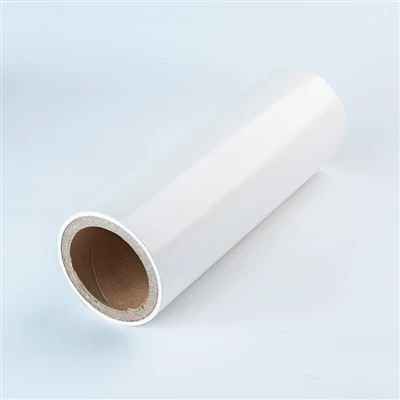
First, a quick baseline: permanent bag sealing tape isn’t the same as masking tape or painter’s tape we use around the house. It’s made from either a polypropylene (PP) film or a blend of rubber-based adhesive that’s designed to bond tightly to polyethylene (PE) bags, woven polypropylene sacks, even moisture-resistant laminated liners—no peeling halfway through a delivery, no coming undone in transit. The base film can be printed or dyed during manufacturing, which is where those color options come from, not some random design choice. Most people only know clear, but let’s start with the workhorses, the colors you’ll see 70% of the time because they solve everyday problems.
Clear tape is the default, right? It’s the original permanent bag sealing tape color, and for good reason. It doesn’t add any visual bulk to a bag, so it’s perfect for bags where you don’t want to obscure a label, product weight, or expiration date. If you’re sealing a bag of raw peanuts that needs a “Best By” sticker front and center, or a bulk hardware bag with a part number printed on the front, clear tape is your go-to. It’s also the most cost-effective option because it doesn’t require extra dye or tinting in the film. But here’s a catch most folks miss: not all clear permanent tape is the same. Some clear tapes have a slight yellow tint if the PP film is a lower grade, which can make white labels look faded. We fix that in our workshop by using food-grade, virgin PP film for clear tape—no recycled materials that cause discoloration—so our clear tape stays crisp white, not yellow, for six months or more, even if the bag sits in a warm warehouse. That’s the kind of small detail that separates a supplier who cuts corners from someone who pays attention to how our customers actually use the product.
Next up, white permanent bag sealing tape. This one’s a workhorse for branding and visibility. If you’re a local bakery that packs custom bread bags with your logo, or a craft brand that sends mailers with your hand-drawn logo, white tape is a blank canvas. Unlike clear, it’s opaque, so you can print full-color designs right onto the tape without needing a separate label. That cuts down on packaging steps—no extra label to apply, no risk of labels falling off during shipping. We also use a high-adhesion acrylic blend for our white tape, so it sticks to the textured surface of woven poly sacks (think birdseed or fertilizer bags) better than some cheaper white tapes that slide right off. Another huge use case: food safety inspections. White tape stands out against any food residue on a bag, so a warehouse manager can spot quickly if a bag was damaged and refilled incorrectly—something light colors like beige or gray would miss. We supply a lot of farm co-ops with white tape for this exact reason; they say it’s a “second set of eyes” on their packaging lines.
Then there’s colored permanent bag sealing tape—solid, tinted colors that go beyond branding, with specific industry uses. The most common is red. Red permanent tape is non-negotiable for many food processing facilities because it’s a color-coded hygiene standard. OSHA and the FDA actually recommend using high-visibility, distinct colors for packaging that has already been inspected and sealed, to prevent cross-contamination. If a worker has a red tape roll, they know that batch of salad mix bags has passed final quality control, so they don’t open it again. We also use red tape for “do not open” seals on high-value orders—retailers put it on limited-edition product bags so customers know the packaging hasn’t been tampered with. We’ve had one customer, a specialty coffee roaster, tell us their red tape reduced tampering claims by 40% last year; shoppers saw the red seal and assumed it was secure, which cut down on returns.
Blue is another big color for permanent bag sealing tape, especially in the food industry. Why blue? Because it’s not a color common in natural food products—nuts, grains, produce—so if a piece of blue tape accidentally falls into a product batch, it’s easily visible on processing lines. That’s a critical safety feature: no one wants a fragment of sealing tape in a bag of cereal or a bag of frozen fruit. We make our blue tape with tint that’s 100% visible under the metal detectors used in most food processing plants; our clients say they never miss a fragment of blue tape because it stands out against every food surface. We also supply blue tape to pharmaceutical packagers, who use it to seal prescription drug bags as a secondary tamper seal. It’s thick enough to break if someone tries to re-seal it, and the blue color is a clear indicator that the bag hasn’t been opened.
Less common but still essential colors: green, yellow, and black. Green tape is used for “recyclable” or “compostable” bag seals, so consumers can tell at a glance that a bag is part of a sustainability program. We worked with a major grocery chain last year to develop a matte green permanent tape that doesn’t leave a residue when peeled off, so customers can easily recycle the bag with the tape still attached. Yellow is for bulk inventory segregation—warehouses use yellow tape to mark bags that are waiting for distribution, or seasonal products like holiday candy. Black permanent tape? It’s for heavy-duty applications, like sealing woven poly sacks of concrete or industrial hardware parts. The black tint comes from carbon black, which makes the tape UV-resistant, so it won’t break down if it’s stored outside in a loading dock for a few days. Most cheap tapes turn brittle and peel after a week outdoors, but our black tape stays flexible for up to 6 months, even in direct sunlight.
Wait, but here’s something most suppliers don’t talk about: not all colors are available in every adhesion strength. For example, red permanent tape is only available in our industrial-grade adhesion for heavy sacks, because that’s what our food processing customers need for high-volume lines. We can’t make a ultra-low-adhesion red tape, because it would peel off mid-transit, which is a waste of money for everyone involved. We also avoid mixing dyes with adhesive because that can weaken the bond; all our tape colors (except black, which has the UV-stabilizer in the film) have the tint added to the base PP film, not the adhesive. That’s why our tape doesn’t discolor over time, and the adhesive stays strong.
I get it, when you’re ordering permanent bag sealing tape, the first thing you look at is “will it stick?” But the color matters as much as the size. A brand that uses the wrong color might end up with labels that are hard to read, or miss a tamper seal, or even risk a food safety issue. Over the years, we’ve had so many customers tell us they switched to our colored tape after dealing with another supplier’s clear tape that looked like every other bag, and they couldn’t tell which batches were inspected.
Our team has also worked with small businesses and large corporations alike—from a local craft bakery in Ohio to a national e-commerce brand that ships 1 million bags a month. We don’t do random color runs; if you need a custom color that fits your brand or a specific use case, we can develop a tint in our workshop within a week, no minimum order required for custom small runs.
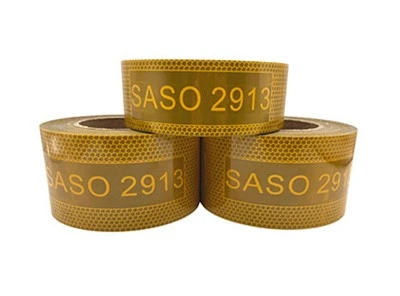
If you’re tired of tape that peels, discolors, or doesn’t fit your packaging needs, don’t settle for a one-color size. We offer a full range of permanent bag sealing tape in all the colors we’ve talked about, plus custom color matches for your brand or industry requirements. Whether you’re sealing a 5-pound bag of flour, a woven sack of garden soil, or a small e-commerce mailer, we can help you pick the right color and adhesion strength for your operation. Reach out to our team to discuss your packaging needs and get a customized quote.
Resealable Bag Sealing Tape References:
- Occupational Safety and Health Administration (OSHA), “Color-Coding Guidelines for Workplaces,” OSHA Publication 3331-06R, 2021.
- Food and Drug Administration (FDA), “Food Packaging Material Safety Standards,” FDA Code of Federal Regulations Title 21, Part 175, 2022.
- Packaging Association, “Trends in Flexible Packaging Materials,” Journal of Packaging Technology and Science, Vol. 35, No. 4, 2022.
- American Society for Testing and Materials (ASTM), “Standard Specification for Adhesive Tapes for Packaging,” ASTM D3359-19, 2019.
Jinrong New Materials Co., Ltd.
Jinrong New Materials Co., Ltd. is one of the most professional permanent bag sealing tape manufacturers and suppliers in China. With abundant experience, we are committed to providing high quality products made in China with competitive price. Please feel free to buy customized permanent bag sealing tape from our factory. Welcome to contact us for quotation and free sample.
Address: Guangde, Anhui Province Economic Development Zone Pengju Road 37
E-mail: lynn@sanlin-tech.cn
WebSite: https://www.jinrongliner.com/
