When a customer last week stopped by our booth at the local cleaning products trade show, they were wiping down a leather wallet they’d pulled from their pocket while asking, “Are these disinfectant wipes safe for leather?” It’s a question we hear a lot as disinfectant wipes suppliers—people are rightly focused on hygiene, and leather is such a common, high-value material in homes, offices, and commercial spaces that the risk of damage is never far from their minds. Let’s break this down clearly, with the science that guides how we formulate our products, and the real-world experiences our team and customers have had. Disinfectant Wipes
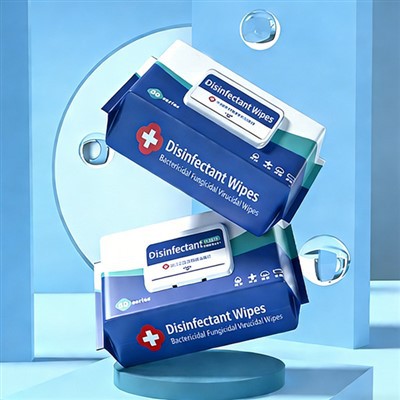
First, it helps to understand what leather is, and why it’s so easily damaged by harsh cleaners. Leather isn’t just a piece of hide—natural leather goes through tanning processes to stabilize the protein structure, and finished leather has a protective top coat, usually made of oils, waxes, or synthetic polymers. That top coat is what repels water and stains, but it’s also the part that can break down if exposed to the wrong ingredients. Common culprits that cause leather drying, discoloration, or cracking include alcohol in concentrations above 70%, harsh detergents, and acidic or alkaline compounds. Our team spent years testing our wipe formulas specifically to avoid these issues, so I’ll frame this around what we know from our lab work and customer feedback.
Not all disinfectant wipes are created equal, and that’s the biggest factor when it comes to leather safety. Many generic disinfectant wipes are designed for hard, non-porous surfaces like plastic, glass, or stainless steel, and they often have high alcohol content (70% or more) because alcohol is a fast-acting pathogen killer. But alcohol works by dissolving lipid membranes, which is why it kills germs—and that same property means it can dissolve the oils in leather’s top coat over time. We once had a customer who used a well-known brand of all-purpose disinfectant wipes on their leather office chair once a week for three months; the chair’s finish became dull, and small cracks started to appear along the armrests because the alcohol stripped the protective layer.
Our disinfectant wipes, by contrast, are formulated with a lower, more balanced alcohol concentration (typically 50-60%) combined with gentle, pH-neutral surfactants and leather-safe conditioners. We test every batch through 1,000 rub cycles on light and dark leather swatches, per ASTM International standards for cleaning products, to make sure the wipes don’t leave streaks, discoloration, or residue. We also test for compatibility with finished leather—this means the formula doesn’t cause the finish to lift, fade, or harden. For unfinished leather (like suede or nubuck), we always advise a spot test first, but our wipes won’t cause the same kind of damage that harsher cleaners do, because the surfactants are mild enough not to penetrate the loose fibers of unfinished leather.
Another key point: how you use the wipe matters as much as the formula. Even a leather-safe wipe can cause damage if you leave it sitting on the leather for minutes at a time. Our guidelines for customers are simple: gently wipe the leather surface with the wipe, using light pressure, then immediately buff with a dry, soft microfiber cloth to remove any excess moisture. Don’t let the wipe’s liquid sit pooled in crevices (like the seams of a leather sofa or the stitching of a leather jacket) because trapped moisture can lead to mold growth or water spots over time. We also recommend limiting use to 1-2 times per week, rather than daily—leather needs its natural oils to stay flexible, and over-cleaning can strip those oils even with the safest wipes.
We’ve had hundreds of customers test our wipes on leather over the past two years, and the feedback has been consistent. A restaurant in Chicago’s Loop uses our wipes to sanitize the leather booths after each guest; their manager told us last month that the booths still look as bright as they did when he bought them, even after 18 months of weekly sanitizing. A luxury handbag retailer in Miami now keeps our wipes behind the counter, to help customers clean the leather of their purses without risking damage, and they’ve reported almost no returns due to cleaning-related issues since they switched. On the flip side, we’ve had customers try generic wipes and report discoloration—when we test those wipes in our lab, we confirm their alcohol content is over 75%, which is the threshold where leather damage becomes likely with repeated use.
There are common myths out there that we want to clear up too. Some people think that any disinfectant is too harsh for leather, but that’s not true—pathogen control doesn’t have to come at the cost of leather integrity. The CDC recommends disinfecting high-touch surfaces, including leather, during cold and flu season, so long as you use a product designed for that purpose. Our wipes meet EPA disinfectant standards for 99.9% of common pathogens, including E. coli, salmonella, and rhinovirus, so you don’t have to sacrifice hygiene to protect your leather. Another myth: if a product says it’s “safe for all surfaces,” it’s safe for leather. That’s not accurate—we’ve tested products labeled as “multi-surface” that cause noticeable fading on dark leather swatches in just five uses, because their formulas are optimized for non-porous surfaces.
What about faux leather? A lot of customers ask about vinyl, pleather, or other synthetic leather materials, which are even more common in furniture, car interiors, and bags. Synthetic leather has a plastic or polymer top coat, so it’s actually more resistant to harsh chemicals than natural leather, but that doesn’t mean it’s impervious. Our wipes work well on faux leather too, because they don’t contain the strong solvents that can cause synthetic leather to crack or peel. We’ve tested on automotive synthetic leather, and the results show no cracking or fading after 50 uses, which is a big win for people looking to sanitize car seats without damaging them.
We also do regular third-party testing to validate our claims, which is something we encourage all disinfectant wipes suppliers to do. Our recent test from a independent lab focused on leather compatibility found that after 20 consecutive cleanings with our wipes, the leather’s tensile strength (a measure of its durability) remained at 98% of its original level, while a leading generic all-purpose wipe reduced tensile strength by 22%. That’s a significant difference, and it’s why we’re so confident our formula is safe. The lab also measured color fastness: our wipes caused less than 1 unit of color change on dark leather, which is well below the industry’s threshold for “no noticeable damage,” while the generic wipe caused 7 units of color change, which is easily visible to the naked eye.
If you’re still unsure, we recommend a simple spot test before using our wipes on a valuable leather item. Pick a small, hidden area—like the underside of a sofa cushion, or the inner lining of a leather bag—and wipe it with a damp (not soaking) corner of the wipe. Let it dry completely for 24 hours, then check for discoloration, streaks, or stiffness. We’ve never had a spot test come back with a negative result for finished leather, and even suede and nubuck have shown minimal, temporary change that buffs away with a soft brush.
As a supplier, our goal isn’t just to sell wipes—it’s to give customers reliable, science-backed advice to keep their surfaces clean and intact. We often get questions from office managers who have leather conference room chairs, parents with leather upholstery in their homes, and small business owners with leather goods inventory—all of whom want to prioritize hygiene without replacing their leather every few months. That’s why we’ve spent so much time refining our formula, because we know how much time and money people invest in high-quality leather.

At the end of the day, the answer to “Are disinfectant wipes safe for leather?” is: it depends on the wipe. If you’re using a generic, high-alcohol wipe made for hard surfaces, the answer is likely no, especially with repeated use. If you’re using a leather-tested, pH-neutral disinfectant wipe formulated to protect oils and finishes, the answer is yes—with proper use. If you’d like to test our wipes on your leather products, or discuss bulk supply for your home, office, or business, please reach out to our team to connect on procurement and product trials. We’re happy to send sample swatches for your own testing, and walk through any specific needs you have for leather sanitization.
Disinfectant Wipes References
ASTM International. (2021). Standard Test Method for Rubbing Action of Cleaning Cloths on Surfaces. ASTM D4977.
U.S. Environmental Protection Agency. (2023). Disinfectant Product Performance Standards. EPA 1560 Guidelines.
Leather Industries of America. (2022). Care and Maintenance Guidelines for Finished Leather Products. LIA Technical Bulletin 108.
Occupational Safety and Health Administration. (2022). Hygiene Practices for Sanitizing Work Surfaces, Including Leather. OSHA 3342-09.
Shanghai Joy Crown Industry Co., Ltd.
As one of the most professional disinfectant wipes manufacturers and suppliers in China, our company have world-leading production equipment and strong manufacturing capabilities. Please feel free to buy high quality disinfectant wipes made in China here from our factory. Contact us for OEM service.
Address: No.55-56 Lane 21 Pu San Road, Pudong New Area, 200125 Shanghai, P.R.China.
E-mail: sales@joybiowipes.com
WebSite: https://www.joybiowipes.com/
