What’s the Difference Between a Fuel Tanker and a Propane Tanker? Let’s Break It Down Real Fuel Tanker Truck

If you’re in the market for a tanker truck—whether you’re a fuel distributor, a propane delivery pro, or someone just learning the ins and outs of transport vehicles—you’ve probably wondered, “Wait, is a fuel tanker the same as a propane tanker?” Short answer: no, they’re not. And it’s not just a label thing. There’s actual science, engineering, and safety stuff that sets them apart. I’m the owner of a fuel tanker truck supplier, so I’ve helped folks pick the right rig for their jobs hundreds of times, and I’ve seen what happens when you mix these two up. Let’s get into it, no jargon, just real talk.
First, let’s start with what they both have in common, because they’re not totally different. Both are designed to carry flammable stuff, right? That means they need to be strong, have specialized systems to keep their cargo safe, and follow strict DOT rules (that’s the U.S. Department of Transportation, for anyone new here—super important for any hazmat transport). But that’s where the similarities end. The biggest differences? The cargo they carry, the pressure those cargoes need, and the tank design that’s built to handle that.
Let’s talk fuel tankers first, since that’s what most people know. Fuel tankers—you know, the ones that deliver gas to gas stations, diesel to truck stops, maybe jet fuel to airports—carry liquids like gasoline, diesel, kerosene, even ethanol blends. All of these are what’s called “liquefied at atmospheric conditions,” meaning at normal air pressure and regular temperature (like the 60-80 degrees F you get on an average day), they’re liquid. You don’t need to pressurize them to keep them liquid. Their tanks are usually made of steel or aluminum (aluminum is lighter, which is better for fuel mileage, so we use that a lot) and shaped like a long cylinder, split into multiple compartments. Wait, why compartments? Because if you hit a pothole or stop fast, the fuel sloshing around too much can make the truck hard to drive. Compartments slow that slosh down, keep the truck stable. Fuel tankers don’t have to hold any pressure, by the way. They’re vented, not pressurized. That vent is super important—when you pump fuel out, air has to get in to replace it, so the vent lets that happen without letting fumes build up.
Now propane tankers. Wait, propane is a gas, right? But how does it get delivered in a tanker? Oh, right—liquefied petroleum gas (LPG), which is what propane is, turns to liquid when you put pressure on it. At normal atmospheric pressure, propane is a flammable gas floating in the air. So to move it, you have to pressurize the tank to keep it liquid. That changes everything about the tanker. Propane tankers are way sturdier than fuel tankers. Their tanks are usually thick steel (can’t use aluminum here, aluminum can’t hold that pressure reliably) and they’re designed to handle high pressure—like up to 250 psi, which is way more than the pressure in a car tire (which is around 30-35 psi). That’s a huge difference. If you tried to put propane in a regular fuel tanker, it would blow the tank apart before you even left the yard.
Wait, let’s dive a little deeper into that pressure thing, because it’s not just about the tank. Propane tankers have pressure relief valves, right? If the tank gets too hot—like if you park in 100-degree sun— the propane inside heats up, the pressure goes up, and that valve opens to let excess pressure out. That’s to stop the tank from rupturing, which would be a total disaster. Fuel tankers don’t have pressure relief valves like that, because their cargo isn’t under pressure—they just have vent valves that let air in and out. Another thing about propane: since it’s stored under pressure, a propane tanker’s tank is actually shorter and wider than a typical fuel tanker? Wait, no, not always, but the shape is a bit different. Fuel tankers are long, so they can carry more volume (you need to deliver thousands of gallons of gas to a station). Propane deliveries are often smaller, like to a homeowner’s tank for their grill or a small business’s bulk tank, so the tanker might be smaller, but that’s more about use case than the tanker itself.
Now, let’s talk about how they operate, because that’s another big difference. If you’re a driver, handling a fuel tanker vs a propane tanker is totally different. Fuel tanker drivers are used to pumping liquid fuel, using hoses that can handle liquid flow, making sure they don’t spill (spilling gas is not great for the environment or safety). Propane tanker drivers? They’re dealing with a pressurized cargo, so they have to check pressure gauges before they even start their route. They use specialized hoses and fittings that are rated for high pressure—regular fuel hoses would burst if you tried to move propane through them. Also, propane is odorless, right? That’s why they add that rotten egg smell so you can detect leaks. Drivers have to be extra careful for leaks on propane tankers, because a leak could turn into an explosion way faster than a gas leak.
Another common mix-up: some people call propane a “type of fuel,” so they think the tankers are the same. But propane is a specific hazmat class, separate from gasoline or diesel. That means different DOT rules for transport, different training for drivers, different inspections. When we sell a tanker, we don’t just say “here’s a tanker”—we ask “what are you carrying, and where are you delivering it?” If someone says they need to deliver gas to a station, we point them to our aluminum fuel tankers with compartments. If they say they’re delivering propane to residential tanks, we send them to our heavy-duty steel propane tankers with pressure relief systems. I’ve had people come to us thinking a fuel tanker works for propane, and I have to tell them straight up—no, that’s not safe, and you’d get fined if you tried to use it that way. DOT doesn’t mess around with hazmat transport, so cutting corners on the tanker type is a bad idea.
Wait, what about other liquid gases, like butane? Yeah, same as propane—they’re pressurized liquefied gases, so their tankers are built like propane tankers. Regular fuels (gas, diesel, kerosene) are atmospheric liquids, so their tankers are fuel tankers. There’s also jet fuel, which is similar to gasoline, so it uses fuel tankers too. What about something like heating oil? That’s another atmospheric liquid, so again, fuel tanker territory.
Let’s talk about cost, too, since that’s a big factor for people buying. Propane tankers are more expensive than fuel tankers, because the steel is thicker, the pressure systems are more complex, and they go through more rigorous inspections. A good aluminum fuel tanker might cost between $50k and $100k, depending on size. A steel propane tanker can run $80k to $150k, because it needs to hold that pressure. Also, maintenance is different: propane tankers need regular pressure tests, while fuel tankers just need regular checks for dents or worn vents.
I’ve seen this first-hand with a customer a couple years back. A small propane delivery company came to us, asking for a used fuel tanker they found online, because it was cheaper. We told them it wouldn’t work, but they thought we were just trying to sell them a pricier one. A week later, they tried to use that fuel tanker to pick up a load of propane from a bulk plant. The bulk plant’s inspector stopped them before they even loaded, because the tanker wasn’t rated for pressurized LPG. They had to rent a proper propane tanker for the job, which cost them twice as much as the difference between the fuel tanker and the propane tanker we were selling them. That customer came back a month later, bought the right propane tanker from us, and left a good review saying we saved them a ton of trouble and money. That’s why I’m real straight with people about this—this isn’t a sales tactic, it’s about making sure they don’t get hurt or lose their business over a wrong rig.
Now, let’s clear up a few myths. Myth #1: Fuel tankers carry only gas. Nope—they carry all atmospheric liquid fuels, like diesel, kerosene, ethanol, even biodiesel blends. Myth #2: Propane tankers are only for big loads. No, there are small propane tankers, like the ones that deliver grill propane to grocery stores, that are way smaller than long-haul fuel tankers. Myth #3: You can use a propane tanker for fuel. Technically? Maybe, but it’s overkill, and it’s way heavier, so you’ll pay more in fuel costs. Not to mention, propane tankers are designed for pressurized cargo, so moving a low-pressure liquid is unnecessary, but not illegal. The reverse is the big no—fuel tanker for propane, that’s a safety hazard waiting to happen.
When you’re shopping for a tanker, the first question you should ask isn’t “how much does it cost” or “how big is it”—it’s “what cargo will I be transporting?” Once you answer that, the rest is easy. If it’s any unpressurized liquid fuel, fuel tanker is the way to go. If it’s propane, butane, or any other pressurized liquefied gas, you need a propane tanker. Also, don’t forget about local and DOT rules—some areas have extra requirements for hazmat transport, so your rig has to meet all those specs too.
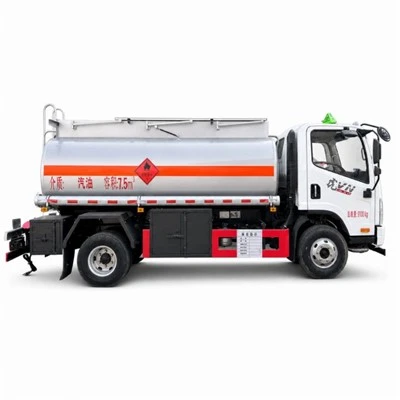
At the end of the day, it’s all about safety. These tankers carry stuff that can burn, explode, or leak, so you can’t cut corners on the design. I’ve been in this business for 12 years, and I’ve seen way too many close calls because someone mixed up a fuel tanker and a propane tanker. That’s why when I work with a customer, I walk through every detail, make sure they understand why the difference matters, and help them pick the exact rig that fits their needs. It’s not just about selling a truck—it’s about helping them do their job safely and legally, so they can stay in business for years.
Side Loader Garbage Truck If you’re in the market for a fuel tanker or a propane tanker, and you’re not sure which one is right for you, hit me up. We can talk through your specific needs—what you’re hauling, how far you’re going, the size of loads you need to move—and I’ll help you pick the perfect rig, no pressure, no confusing jargon. We’ve got new and used tankers, all inspected and DOT-approved, so you can get on the road with confidence. Don’t risk using the wrong tanker for your job—reach out today to get a quote or ask any questions you have.
References
- U.S. Department of Transportation. (2023). Hazardous Materials Regulations: Tank Car and Portable Tank Specifications. Federal Motor Carrier Safety Administration.
- National Fire Protection Association. (2022). NFPA 58: Storage and Handling of Liquefied Petroleum Gases.
- Aluminum Association. (2021). Aluminum Tankers for Liquid Fuel Transport: Performance and Safety Standards.
Hubei Ruitu Technology Co., Ltd.
Hubei Ruitu Technology Co., Ltd. is one of the most experienced fuel tanker truck manufacturers and suppliers in China, also supports customized service and OEM service. Welcome to buy advanced fuel tanker truck made in China here and get pricelist from our factory. Also, 1 year warranty is available.
Address: Xingguang Road, Zengdu District, Suizhou City, Hubei Province
E-mail: Sales@ritumax.com
WebSite: https://www.ruitumotors.com/
