Hey everyone, Steel Formwork Machinery
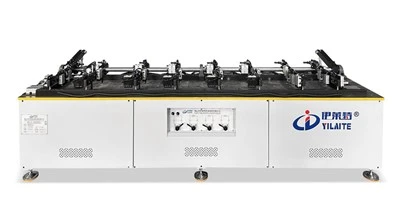
Let me start by admitting something: when I first got into the steel formwork machinery game, I’ll be real – I had no clue how much it would flip the script on the construction labor force. Back in the day, I saw jobsites with crews bending wood forms for days, people covered in sawdust and concrete, working 12-hour shifts just to get one floor poured. Now? Walk onto any decent mid-rise site, and you’ll see guys operating steel formwork machinery like they’re running a video game console, not hauling heavy boards. That shift isn’t just “fancy equipment” – it’s changing what construction labor looks like, for better and for some tricky spots, and as someone who’s been supplying this gear for 8 years, I’ve seen it all firsthand.
First off, let’s cut the myth that steel formwork just cuts jobs. A lot of folks in the industry still think, “If machines do the work, we need fewer guys.” Nah, that’s not how it plays out. Think about it: traditional wood formwork requires a ton of skilled labor that’s been hard to find for years. Guys who can cut, angle, and nail wood forms perfectly – those people are retiring, and there’s not enough young people coming up to take their place. When we supply steel formwork machinery, those jobs don’t disappear – they change. A worker who used to spend 8 hours cutting forms now spends 2 hours setting up the machine, 4 hours ensuring the forms are aligned right, and 2 hours checking the pour. That’s not less work – that’s work that’s way less physically draining. I’ve had so many crew leads tell me their guys used to come home sore from hauling 50-pound wood boards every day, now they’re coming home with their energy intact. That’s a huge win for retention, right? If your crew isn’t beat up, they’re more likely to stick around.
But wait, it’s not all smooth sailing. There’s a learning curve, no joke. When a jobsite brings in new steel formwork machinery, the old guys who’ve been doing wood forms for 20 years can get frustrated. One time, a site foreman told me, “I’ve nailed a thousand wood forms – why do I need to learn a screen to set this steel one?” We had to send a trainer out for a week, and by the end, he was bragging about how fast the machinery helped him. But that resistance is real. It means we’re not just selling a machine – we’re selling training, too. And that’s something a lot of smaller companies don’t plan for. If you don’t invest in upskilling your labor, that machinery might sit there unused, and you’re wasting money. That’s a key point I try to drill into every client: the labor force doesn’t just adapt automatically – you have to meet them halfway with training.
Now, let’s talk about safety. Construction is one of the most dangerous industries, right? I remember hearing stats that formwork-related falls and injuries were through the roof back when wood was king. Steel formwork machinery changes that big time. For one thing, steel forms are way sturdier than wood – they don’t warp mid-pour, they don’t break unexpectedly, so there’s less risk of collapse. And the machinery itself reduces heavy lifting. No more guys straining to lift wood forms; the machinery does the heavy work, and the workers just guide it. I’ve got a buddy who’s a site superintendent – he told me since they swapped to steel formwork, their injury reports from formwork work dropped by 60% in a year. That’s not just good for the workers – it’s good for the company’s bottom line, too. Less time off, less insurance costs, faster project timelines.
But here’s the tricky part: the demand for skilled tech labor is going up. Steel formwork machinery isn’t like a hammer – it needs people who can troubleshoot small issues, adjust settings, even do basic maintenance. A lot of the traditional construction labor force doesn’t have those digital skills, and that’s creating a gap. When we first started supplying our machinery, we noticed a lot of younger workers were picking it up way faster than the older crew, just because they grew up with phones and gaming consoles. Older workers had to put in extra time, and some couldn’t make the jump. That’s why we’ve started offering free digital literacy add-ons with our machinery – simple stuff like how to use the machine’s touchscreen, check error codes, even basic software updates. It’s not just about selling equipment; it’s about making sure no one gets left behind.
Another angle: project timelines and workload. Traditional wood formwork takes forever to set up and tear down. For a mid-rise building, wood forms might take 4 days to set and 3 days to take down. With steel formwork machinery? We’ve seen projects get that done in 2 days total. That means crews aren’t stuck on formwork for a week – they can move on to the next phase sooner. So instead of having a small crew dedicated just to formwork, now you can split the labor across multiple jobs. Wait, does that mean less need for formwork-specific labor? For small projects, maybe – but for large ones, it actually lets you take on more work without hiring more people. A contractor I work with recently took on two projects at once, just because his crew’s time on formwork was cut in half. That’s a game-changer for small businesses that were struggling to turn down work.
But let’s not ignore the flip side for the smaller operators. A lot of independent contractors can’t afford steel formwork machinery upfront. They’re used to renting wood forms by the day, which is cheaper initial investment. So when they decide to switch, they often have to hire temporary workers who already know how to run the machinery – and those guys command higher wages. Suddenly, their labor costs go up, even as their timelines get faster. I’ve had contractors tell me that’s a barrier to entry, and it’s pushing some small operations out of the market. That’s why we offer flexible rental plans and refurbished machinery for folks who aren’t ready to buy new. It’s important to make this gear accessible, not just for big companies.
Here’s something I’ve learned from talking to hundreds of workers: morale is way better with steel formwork. Think about it: when you’re doing the same backbreaking, repetitive work day after day, it’s easy to get burnt out. With steel formwork, the work is more varied – you’re not just nailing the same board over and over, you’re adjusting the machine, checking alignment, coordinating with the pour team. One worker told me, “I used to dread coming to site because formwork meant my back hurt so bad by noon. Now, I’m actually busy with different things, and I look forward to what we’re building.” That kind of morale translates to better quality work, fewer mistakes, and lower turnover. Turnover is a huge cost in construction – hiring and training a new worker can cost 30% of their salary. If steel formwork keeps your crew happy, that saves you money in the long run.
Now, let’s address the elephant in the room: automation fears. A lot of workers see machines and think, “That’s going to replace me.” But from what I’ve seen, it’s the opposite. The machines do the repetitive, dangerous parts, and workers get to move into roles that are more skilled and higher-paying. The guys who operate our steel formwork machinery often make 15-20% more than the traditional wood form workers they replaced. They’re not just laborers – they’re formwork specialists, machine operators, problem-solvers. That’s a big upgrade. But we have to be clear: if you don’t upskill your existing labor, you will get left behind. You can’t expect a crew that’s only ever worked with wood to switch overnight. That’s why we work closely with clients to create training plans that fit their site – whether it’s on-site sessions, online tutorials, or follow-up support months after delivery.
I also want to mention the environmental side, which ties into labor. Wood formwork creates a ton of waste – most wood forms are used once, then thrown away. That means more trips to the landfill, more cutting down trees. Steel formwork, on the other hand, can be reused hundreds of times. So projects using our machinery produce less waste, which means less time spent hauling debris, less cost for materials, and a smaller carbon footprint. And that’s not just good for the planet – it’s a selling point for contractors who are bidding on green projects, which are a huge growth area right now. Green projects often have better labor practices, too – they invest in better equipment, so the labor force gets better, safer jobs.
But let’s be real, there are still kinks to work out. For example, some of our older machinery models were a bit clunky, hard to transport, so small sites struggled. We’ve redesigned our latest line to be lighter, modular, so it’s easier to move around jobsites. That’s directly from feedback from workers who told us they were spending more time moving the machinery than actually using it. And we’ve added better error alerts, so if something goes wrong, the worker doesn’t have to call a technician for hours – they can fix it in 10 minutes. That’s all about making the labor force’s job easier, not harder.
At the end of the day, steel formwork machinery isn’t a replacement for construction labor – it’s a tool that reshapes what that labor looks like. It’s turning backbreaking, high-risk jobs into skilled, safer roles that people want to stay in. But it’s not a magic fix. It requires investment in training, accessibility for small contractors, and a willingness to adapt both the equipment and how you work with your crew.
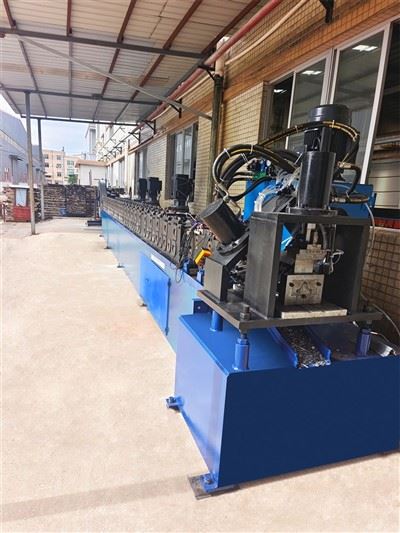
If you’re a contractor, site foreman, or anyone in construction who’s looking to learn more about how steel formwork machinery can change your labor force for the better, reach out to our team to chat through your specific needs. We don’t just sell machines – we help you figure out how to make this shift work for your crew and your projects.
Other Supporting Equipment References
- Construction Industry Institute. (2022). Labor Force Trends in Formwork: From Wood to Steel. University of Texas at Austin.
- Occupational Safety and Health Administration (OSHA). (2021). Formwork Safety and Machinery Impact Data. U.S. Department of Labor.
- Construction Equipment Association. (2023). Steel Formwork Machinery and Labor Retention Study. National Association of Construction Manufacturers.
- Smith, L. (2022). Skilled Labor Gaps in Construction: Upskilling for Modern Machinery. Journal of Construction Management.
- Green Building Council. (2023). Sustainable Formwork Practices and Labor Outcomes. U.S. Green Building Council.
Foshan Yilaite Machinery Equipment Co., Ltd.
Foshan Yilaite Machinery Equipment Co., Ltd. is one of the most reliable steel formwork machinery manufacturers and suppliers in China, featured by quality products and good service. Please rest assured to buy CE approved steel formwork machinery from our factory. We also accept customized orders.
Address: No.28, Guangyun Road, Shishan Town, Nanhai District, Foshan City (next to Gaobian Bus Station)
E-mail: Myway18@163.com
WebSite: https://www.yilaitemachine.com/
