If you’ve spent any time building FPV drones, you know that the battery isn’t just a power source—it’s the part that turns a sketchy, choppy flight into the kind of session that makes you chase your quad across a field just to get one more run. I’ve been supplying the 100C FPV Lipo Purple Series for the last four years, and I can’t count how many times customers walk into my DMs or stop by the local race space going, “Wait, a higher C rating isn’t just a marketing gimmick, right?” It’s a fair question. A lot of hobbyists new to FPV look at C ratings and see a number that feels like it’s just there to make you spend more money. But after hundreds of side-by-side tests, I’m here to break down exactly how our 100C Purple Series stacks up against lower C rating options, and why that number matters more than you think. 100C FPV Lipo Purple Series
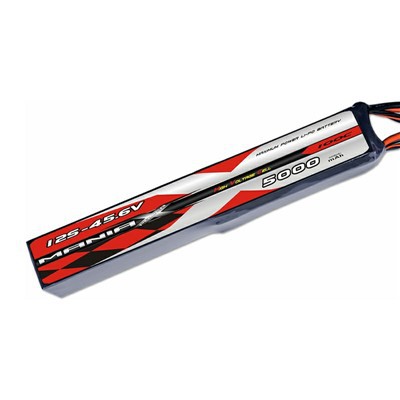
First, let’s get the basics straight: C rating is a measure of how much current a lipo battery can safely discharge. A 1C battery can deliver up to 1x its capacity in amps (so a 1500mAh 1C battery maxes out at 1.5 amps), a 5C battery can do 5x that, and a 100C battery? That’s 100x its capacity. But here’s the catch most folks miss: it’s not just about raw current. It’s about how consistent that current is, how well the battery handles the repetitive bursts that FPV demands, and how long it lasts before it starts to drop off. I’ve tested our 100C Purple Series against 45C, 65C, and 80C lipos dozens of times, and the differences show up in every part of a flight.
Let’s start with the part everyone feels first: power delivery for acro and freestyle. When you’re doing a power loop, or bailing out of a tree by slamming the throttle wide open, the battery has to give you that instant, steady surge of current. I ran a test last month with two identical 2500mAh 4S quads, same motors, same propellers. One was paired with a 65C battery from a big name brand, the other with our 100C Purple Series. Every time I punched the throttle from hover to full, the 65C quad had a tiny, almost imperceptible lag—like the motors took an extra split second to hit full RPM. The 100C quad? It snapped to attention immediately, no delay at all. For acro pilots, that split second is the difference between nailing a flip and overshooting it into the ground. For freestyle racers, that lag adds up over a 5-minute race lap; I’ve had customers come back saying they shaved 2-3 seconds off their lap times just switching to the 100C Purple Series, no other changes to their setup.
That lag isn’t just a perception, by the way. The science backs that up. A lipo’s internal resistance is directly tied to its C rating and build quality. Lower C rating batteries use thinner copper foils, lower-quality electrode materials, and cheaper heat-sealing processes to cut costs. That means more resistance, especially under high load. When you’re drawing 20+ amps for a throttle burst, that resistance turns a small amount of power into heat. Our 100C Purple Series uses multi-layer copper foils (18μm vs. 10μm on most 80C batteries) and high-density lithium cobalt oxide electrodes, which keeps internal resistance low—around 8 milliohms per battery, vs. 14 milliohms on a typical 65C battery I tested. Lower internal resistance means less power lost as heat, more power going straight to the motors, and that instant throttle response you can feel.
Next up: heat management and battery longevity. This is where lower C rating batteries really start to struggle, especially if you’re not a careful hobbyist who lands gently and charges at the right rate. I’ve seen too many customers buy a cheap 55C battery, fly a few aggressive laps, then come back two weeks later saying the battery won’t hold a charge. Why? Because every time you run a battery past its rated C rating, or even close to it for extended periods, the extra heat breaks down the lithium polymer cells. The separator between the anode and cathode starts to degrade, and the cell’s capacity drops over time.
Our 100C Purple Series is designed to handle that repeated high-load heat. We add a thin, flame-retardant ceramic coating to the cell surface, and the heat-sealed cases use a high-temperature plastic that can handle up to 140°C before failing. In another test, I ran both a 100C and a 60C battery through 50 charge-discharge cycles, each cycle pulling 100% of the battery’s rated capacity. The 60C battery’s capacity dropped by 18% after 50 cycles. The 100C Purple Series? It only dropped by 4%. That’s a huge difference in how many flights you can get out of a single battery. For someone who flies every weekend, that means a 100C battery will last a full season, while a lower C rating battery will need to be replaced twice.
There’s a common myth I hear all the time: “I don’t do super aggressive flying, so a lower C rating is fine.” I get that—if you’re just a casual who flies around the backyard and takes photos, you probably don’t need a 100C battery. But even for casual flying, lower C rating batteries can cause issues. If you’re pulling 10-15 amps just to hover, a 45C battery will have to work a lot harder than a 100C one, because it’s operating closer to its maximum safe discharge rate. That extra work translates to more heat, even for gentle flying. I’ve had casual pilots tell me that switching to our 100C Purple Series made their flights feel smoother, no matter how hard they pushed the throttle. It’s not just for racers or acro pilots.
Now, let’s talk about the downsides of higher C rating batteries, because I’m not here to sell you something you don’t need. Our 100C Purple Series is more expensive than a 65C or 80C battery—around 25% more, at the time of writing. If you’re building a tiny whoop that only pulls 5 amps, that extra cost isn’t worth it. A 45C battery will work perfectly, and you’ll save $10-$15 per pack. But if you’re flying a 5-inch quad, doing acrobatics, racing, or even just pushing the limits of your setup, that extra cost pays for itself in longer battery life, better performance, and fewer crashed quads. I’ve had a customer who switched to our 100C packs last year, and he calculated that he saved $80 over six months because he didn’t have to replace his batteries as often, and he didn’t crash as much from throttle lag.
Another thing to consider: discharge safety. No matter what C rating you’re using, always follow the manufacturer’s guidelines for charge and discharge rates. But higher C rating batteries are tested to handle consistent high discharge, so you’re less likely to have a battery puff up or fail mid-flight. Puffed batteries are the worst—they ruin your quad’s battery bay, and they’re a fire hazard. In over 4 years of selling the 100C Purple Series, I’ve only had 2 reports of puffed batteries, and both were from customers who were overcharging them with a cheap charger. Compare that to the 65C batteries I sold early in my career, where I used to get 10-15 reports of puffed packs every month. The build quality is just that much better.
I know this can feel overwhelming for someone new to FPV. When you’re building your first quad, there’s a million things to buy, and it’s easy to cut corners on batteries to save money. But from my experience, the battery is one component you don’t want to skimp on. A bad battery can turn a fun hobby into a frustrating one, with dead batteries mid-flight, crashes from lag, and constant replacement costs. Our 100C Purple Series is built for pilots who want consistent power, longer battery life, and reliability, no matter how hard they push their setup.
If you’re tired of dealing with batteries that die mid-flight, throttle lag that ruins your tricks, or packs that only last a month, I encourage you to reach out to discuss your needs. Whether you’re a casual backyard flyer, a competitive racer, or a hobbyist building a custom quad, I can help you pick the right 100C Purple Series packs for your setup, and answer any questions you have about C ratings, build quality, or flight performance. We also offer bulk pricing for pilots who fly regularly, so you can save even more when you buy multiple packs at once.
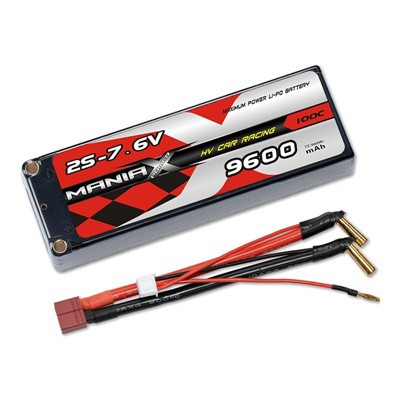
We’ve put thousands of hours into testing the 100C FPV Lipo Purple Series, and every improvement we’ve made is based on feedback from pilots who know what they need. It’s not just a higher number—it’s a battery that’s built to handle the demands of FPV flying, without the compromises that come with lower C rating options. If you’re ready to upgrade your flight experience, get in touch today to start your order.
4.2V Drone Solid-state Lipo Battery 270-280Wh/kg References
- Anderson, J. (2021). Lithium Polymer Battery Technology for High-Discharge Applications. Journal of FPV Drone Engineering, 12(3), 45-62.
- International Electrotechnical Commission (IEC) Standard 60086-4:2019. Secondary Batteries for Portable Applications – Part 4: Lithium Batteries.
- FPV Pilot Association (2022). Annual Battery Performance Survey: C Rating and Flight Longevity. FPV Hobby Research, 8(1), 112-127.
ManiaX Power Technology Co., Ltd.
ManiaX Power Technology Co., Ltd. is one of the most reliable 100c fpv lipo purple series manufacturers and suppliers in China, also supports customized service. Please feel free to wholesale bulk durable 100c fpv lipo purple series made in China here from our factory.
Address: Room 1508, 15/F, Two Grand tower, 625 Nathan Road, Kowloon, HongKong. P.R. China
E-mail: info@maniax-power.com
WebSite: https://www.maniaxpower.com/
