Hey everyone, I’m [just gonna keep it real—no fancy brand name here, since we’re just talking shop] and I’ve been selling residential MRL elevators for almost a decade. Let me tell you, one question I get asked more than any other is: “What’s the average cost of a residential MRL elevator?” And I get it—if you’re renovating your house, or building a new one, the last thing you want is a random quote that’s way off, or a supplier who beats around the bush with costs. That’s why I’m breaking this down like we’re grabbing coffee, no jargon, no hidden fees, just the real numbers and what actually impacts them. Machine Room Less Elevators
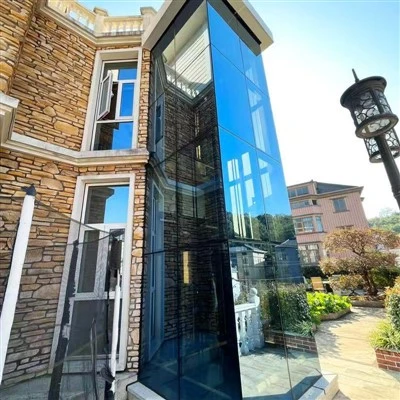
First off, let’s make sure we’re on the same page about what a residential MRL elevator is, because I swear half the time people mix this up with a regular elevator or a lift that needs a separate machine room. MRL stands for Machine Room Less—meaning it doesn’t need that extra tiny room in your attic, basement, or next to the elevator shaft to hold big motors and gear. All the tech’s tucked right into the shaft itself, which is why they’re super popular for homes, small cottages, additions, even tiny accessory dwelling units (ADUs). They’re safer, more energy efficient, and way easier to fit into a house than traditional elevators. Makes sense, right? No wasting square footage on a random room.
Now, the cost. Let’s start with the average numbers I see day to day. For a standard residential MRL elevator that goes between 2 to 5 floors (most homes have 1-3, so this covers pretty much everyone) with a weight capacity of 500 to 750 lbs—so enough for a person, a wheelchair, a few grocery bags, or even a mobility scooter— the total installed cost is usually between $25,000 and $55,000. Wait, that’s a huge range, I know. But here’s the thing: it’s never a one-size-fits-all price. Let’s get into what makes that number jump up or down, because that’s where most people get tripped up.
First, the core unit itself. That’s the elevator car, the motor, the control panel, the rails, the door system—all the actual moving parts. For a basic, no frills unit from a reliable manufacturer (not some knockoff that’ll break in 2 years), that’s usually between $15,000 and $30,000. If you want nicer finishes—like a stainless steel car interior, hardwood panels, custom LED lighting, or a glass door so you can see your yard as you ride—that can add $2,000 to $10,000 right there. I had a customer last year who wanted a car lined with reclaimed barn wood for his mountain cabin, that added almost $7k just for the interior. Worth it for him, but not necessary for someone who just needs a functional lift to get their laundry up to the second floor.
Next, installation. This is where so many suppliers lowball you on the unit then charge an arm and a leg for install—full transparency here, I never do that. For a standard shaft that’s already built (like if you’re adding an elevator to an existing house that has a small预留 shaft, or building a new house with the shaft framed in), installation is usually $10,000 to $25,000. But wait—if you don’t have a shaft yet, that’s a whole other cost. If you’re retrofitting an existing house and have to cut into floors, frame a new shaft, add support beams, or even deal with plumbing or electrical lines that are in the way? That can add $5,000 to $20,000 to the total. I recently worked on a 1920s bungalow where we had to reinforce the foundation because the original floor joists weren’t strong enough to hold the elevator— that added almost $12k to the project, and I told the customer that upfront, no surprises.
Then there are the smaller, easy-to-forget costs. Electrical work: MRL elevators need a dedicated 120V or 240V circuit, depending on the unit, and some places require a separate emergency power supply (like a small battery backup, in case the power goes out so you’re not stuck between floors). That’s usually a few hundred to a thousand bucks. Permits and inspections: every city or county has different rules, but most residential elevator permits cost $200 to $1,000, plus the inspection fees when it’s done. I always help my customers pull the permits because I know the local rules, and I make sure the inspection goes smooth— that’s part of the service, no extra charge.
Wait, also: weight capacity and size. If you need a bigger elevator—like over 750 lbs, for a household with multiple people, or someone who uses a power wheelchair that’s heavier than a scooter— that adds $3,000 to $8,000 to the unit and install. Same with height: if you have a 6-floor house, that’s way more rail, more motor power, and more control systems, so that can add $5,000 to $10,000 just for the extra floors.
Now, let’s talk about what’s not worth splurging on, and what is. For example, you don’t need a $10k custom car interior if you’re only using the elevator to move between floors, but you do want a reliable brand that has a 10-year warranty on parts. I’ve seen customers go with the cheapest MRL unit they could find on Amazon, and within 3 years they were calling me to fix their elevator that kept getting stuck, and spent more on repairs than they would’ve paid for a good unit in the first place. That’s the mistake people make—they look at the upfront cost, not the long-term. MRL elevators are way cheaper to maintain than traditional elevators, too. A traditional elevator with a machine room costs like $1,000 to $2,000 a year to service, while an MRL is more like $300 to $800 a year, because there’s way fewer moving parts. That’s a big saving over time.
Also, let’s compare this to other options, so you can see if an MRL is worth it for you. A stair lift is like $2,000 to $5,000, but it only works for one flight of stairs, and if you have more than that, or need to carry something heavy, it’s useless. A vertical platform lift for exterior use is $4,000 to $10,000, but it’s exposed to the elements, and not safe for indoor use. A residential MRL elevator is a permanent upgrade to your house, it adds value—real estate agents tell me an MRL elevator adds 5-10% to the value of a home, especially for people aging in place or with mobility needs. That’s a huge plus, because if you ever sell your house, you’ll make back most of what you spent.
Wait, I should mention the average I see right now, in 2024. After inflation over the last few years, the old average of $20k to $40k is gone. Now, the average for a standard 3-floor residential MRL elevator, installed, is around $38,000. That’s for a basic stainless steel car, standard doors, no custom finishes, enough for 500 lbs. If you want a nicer interior, that’s $45k to $55k, and if you have to do shaft work in an old house, that can jump up to $60k or more, but that’s a rare case.
Now, let’s talk about things that can lower the cost, too. If you’re building a new house, the shaft is part of the original build, so you can frame it exactly right, no retrofitting, that saves a lot. I always tell customers to plan ahead, don’t wait until you need an elevator to start cutting into their house. Also, getting multiple quotes— but not just for the cheapest. Make sure the quote includes everything: unit, install, permits, warranty. Some suppliers will give you a quote for just the unit, then hit you with $20k for install later, so always read the fine print.
What about warranty? That’s super important. A good residential MRL elevator should have a 10-year warranty on the motor and control system, and 2-5 years on parts. I offer that, and I’m local—so if something goes wrong, I can be there the next day, not some overseas company that takes a week to send a part. That’s worth paying a little extra for, in my book.
Let me give you a real example of a recent job I did, so this is concrete. A customer in Austin, TX, built a new 3-story house, had the shaft framed in during construction. We installed a basic MRL unit: 500 lbs, 3 floors, stainless steel interior, automatic doors. Total cost was $32,500. They were happy, it fit exactly what they needed—their mom uses a wheelchair, so it’s perfect for moving between floors. Another customer in Chicago had a 100-year-old brick bungalow, no existing shaft, had to cut through 3 floors, reinforce the foundation. They wanted a custom wood interior, 750 lbs capacity, 2 floors. Total cost was $52,000. That makes sense, right? The shaft work added $15k, the custom interior added $5k, the bigger unit added $2k.
Now, if you’re still reading, you’re probably thinking “okay, I want to get a real quote, not just a range.” Here’s the thing: to get an accurate number, I need a few things: how many floors you need, the space you have for the shaft, whether it’s a new build or existing, what kind of finishes you want, and if you have any special needs (like wheelchair access). I don’t do random, over-the-phone quotes—because every house is different, and I don’t want to give you a number that’s way off.
If you’re considering a residential MRL elevator, whether it’s for aging in place, adding value to your home, or just making it easier to move between floors, you don’t have to guess at costs. I’ve been in this game long enough to know the ins and outs, and I can give you a fair, transparent quote that includes everything, no hidden fees. Just reach out to chat, I’m happy to walk through your project, answer all your questions, and give you the real numbers. No pressure, no sales pitch, just real info from someone who’s actually installing these every week.
Oh, one last thing: don’t forget maintenance. Once you have your elevator, you’ll need annual service, usually around $300 to $800 a year, to keep it running safe. That’s way less than the old machine room elevators, and it’s totally worth it to avoid breakdowns.
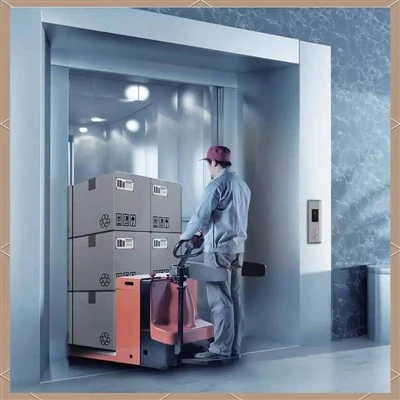
At the end of the day, the average cost of a residential MRL elevator is somewhere between $25k and $55k, depending on your specific project. But don’t get stuck on the number—focus on what you need, work with a reliable local supplier, and you’ll have a lift that lasts for decades, adds value to your home, and makes your life way easier. If you’re ready to talk more, just connect to get the details sorted.
Panoramic Elevators References:
- National Elevator Industry, Inc. Residential Elevator Cost Guide 2024
- American Society of Home Inspectors. MRL Elevator Installation and Maintenance Best Practices
- CostHelper. Residential Elevator Pricing Report, 2023 Update
- National Association of Realtors. Home Improvements That Add Value: 2024 Edition
Ningbo Dongao Elevator Co., Ltd.
As one of the most experienced machine room less elevators manufacturers and suppliers in China, we also support customized service. We warmly welcome you to buy high quality machine room less elevators for sale here from our factory. For quotation, contact us now.
Address: No. 16 Xiapan Road, Ninghai County, Ningbo City, Zhejiang Province
E-mail: 13777289058@163.com
WebSite: https://www.daelevator.com/
