If you’ve ever browsed our selection at the hose shop, you’ve probably spotted a lot of braided hoses stacked near the drinking water section—thick, woven layers of nylon or stainless steel wrapped around a rubber core, looking tough enough to stand up to high pressure and rough use. As someone who’s spent years selling these hoses, I get the confusion: a lot of customers come in asking, “Are braided hoses actually safe for drinking water, or am I taking a risk with my home’s water supply?” It’s a valid question, and one I’ve talked through dozens of times with plumbers, homeowners, and people setting up outdoor water systems. The short answer is, when you pick the right type and install it correctly, braided hoses are not just safe—they’re often a better choice than plain rubber hose for drinking water. But let’s break this down properly, because not all braided hoses are created equal, and there are a few key things to watch out for. Braided Hose
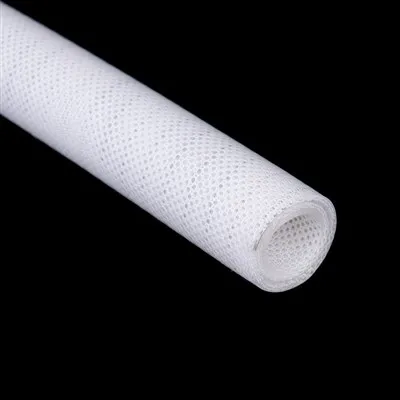
First, let’s start with why braided hoses are so popular for water systems, especially for drinking water applications. A plain rubber hose, even one labeled “potable water safe,” can get soft, develop cracks, or even leach chemicals over time if it’s exposed to high temperatures or constant pressure. The braided outer layer—usually either polyester or stainless steel—adds structural rigidity, so the hose won’t kink, stretch, or collapse when you’re running water, whether that’s a kitchen ice maker line, a garden hose connected to a spigot for watering edible plants, or a water supply line for a utility sink. That durability means fewer replacements, which cuts down on the chance of accidental leaks that could contaminate water. But the safety part all comes down to the materials inside and out.
For a braided hose to be safe for drinking water, the innermost core—the part that touches the water—has to be what’s called “potable water grade.” That means it’s made from materials that are certified to not leach harmful chemicals like lead, BPA, or phthalates into the water. Most of the time, that inner core is food-grade rubber, like EPDM (ethylene propylene diene monomer) or silicone. EPDM is especially common because it’s resistant to chlorine, which is in most municipal drinking water, and it doesn’t break down even after years of use. Silicone is another option; it’s super inert, so it’s even less likely to react with water, and it holds up well to extreme temperatures, making it good for things like outdoor hose connections where it might freeze in winter.
The braided outer layer, on the other hand, doesn’t touch the water, so its only job is structural. That’s why you’ll see two main types here: polyester braiding and stainless steel braiding. Polyester is a synthetic fiber, strong and flexible, and it’s safe as long as it’s not treated with any toxic coatings. Stainless steel braiding is even more durable; it won’t rot, rust, or get damaged by UV light, so it’s great for outdoor use. A lot of customers ask if stainless steel braiding can leach metal into the water, and the answer is no—because the braid never touches the water. The core is a separate layer inside, so the steel stays on the outside, where it can’t contaminate the supply. That’s a common misconception I get a lot, so it’s worth clarifying: the outer braid’s material doesn’t impact water safety as long as the inner core is potable-grade.
Now, what about the hoses that aren’t safe for drinking water? That’s where things get tricky. Some cheaper braided hoses, especially the ones sold at big box stores for low prices, use inner cores that are not potable safe. For example, some use regular rubber or even PVC (polyvinyl chloride) that has additives to make it flexible, and those additives can leach into water over time, especially if the hose is left in the sun or exposed to heat. I’ve seen a customer bring one of these in last year, a braided hose for their water heater line, and when we cut it open, the inner core was thin, gray, and had a weird chemical smell—definitely not something you want running into your drinking water. The other red flag to watch for is braided hoses that have metal fittings on the ends that aren’t lead-free. Even if the core is safe, if the connection fittings are brass with lead, that lead can leach into the water as it flows through. That’s why all our drinking water braided hoses come with lead-free brass or stainless steel fittings, and we make sure every batch meets NSF/ANSI Standard 61, which is the key certification for potable water system components.
Another question I get: can braided hoses be used for hot water? A lot of people assume hot water makes all hoses unsafe, but that’s not true for the right ones. Braided hoses rated for hot water (usually up to 180 degrees Fahrenheit, which is standard for most home hot water lines) use inner cores that are heat-resistant, like EPDM that’s specifically formulated for high temperatures. I install a lot of these for dishwasher or water heater connections, and they’re way less likely to burst or leak than plain rubber hoses, which can degrade faster in hot water. That said, you shouldn’t use a cold-water-only braided hose for hot water—check the rating on the label, and make sure it’s marked for potable hot water if that’s what you need.
Proper installation is just as important as the hose itself for safety. Even the best braided hose can cause problems if it’s installed wrong. For example, if you over-tighten the fittings when connecting it to a spigot or appliance, you can crack the inner core, which would let water touch the braiding or fittings that aren’t potable safe. Or if you leave a braided hose kinked for long periods, that can weaken the inner core over time, leading to leaks. Another tip: don’t leave braided hoses connected to a spigot 24/7 outdoors in freezing temperatures. Even stainless steel braided hoses can crack if the water inside freezes and expands. If you’re using an outdoor braided hose for drinking water, disconnect it when not in use, drain it, and store it indoors in winter.
I’ve been in this business for over a decade, and I’ve seen way too many people cut corners on hoses for their drinking water. A lot of them grab a cheap braided hose because it looks sturdy, not realizing it’s not certified for potable water, and later they’re dealing with leaks or even water quality issues. On the flip side, the customers who come in, ask the right questions, and pick a certified potable braided hose almost always tell me it’s one of the best investments they made. For example, a homeowner I worked with last year set up a rainwater collection system for their garden and outdoor sink. They used a stainless steel braided hose, potable EPDM core, to connect the collection barrel to the sink, and after six months, they checked the water and there were no chemicals leaching in. They told me they appreciated that the hose didn’t kink when they were using it, which made watering their vegetables way easier.
So, to wrap this up: braided hoses are safe for drinking water, as long as you follow a few rules. First, look for hoses labeled “potable water safe” and certified to NSF/ANSI 61—this tells you the inner core and fittings won’t leach harmful substances. Second, match the hose to its use: cold water for cold lines, hot water for hot lines, and stainless steel braiding for outdoor use to resist UV and rot. Third, install it correctly, don’t over-tighten fittings, and maintain it by draining and storing it properly when not in use.
If you’re still unsure which braided hose is right for your drinking water needs—whether it’s for a kitchen ice maker, outdoor spigot, utility sink, or another application—I’m here to help. We carry a full range of certified potable braided hoses, and our team can walk you through the options to find the exact one that fits your project, budget, and needs. Feel free to reach out to our team to discuss your requirements and place an order for the right braided hose for your drinking water system.
Silicone Accessories References
- NSF International. (2023). NSF/ANSI Standard 61: Drinking Water System Components – Health Effects.
- American Water Works Association. (2022). Plastic Piping Materials for Potable Water Applications.
- International Code Council. (2021). Residential Plumbing Code Requirements for Hose Connections.
- Rubber Manufacturers Association. (2022). Properties of EPDM Rubber for Potable Water Systems.
- Stainless Steel Industry Association. (2023). Braided Hose Construction for Water Distribution Applications.
Dongguan Hengyue New Material Technology Co., Ltd.
As one of the most professional braided hose manufacturers and suppliers in China, we also support customized service. We warmly welcome you to wholesale bulk cheap braided hose from our factory. If you have any enquiry about quotation and free sample, please feel free to email us.
Address: Building 2, No.3, Yindou Third Road, Qingxi Town, Dongguan City, Guangdong Province
E-mail: dghengyue@126.com
WebSite: https://www.hengyuesilicone.com/
