Hey everyone, let’s cut to the chase—if you’re into sports, fitness, or even just grinding to hit a new PR, you’ve probably seen ads for sports supplements everywhere. Protein powders, pre-workout blends, creatine monohydrate, maybe those “fat-burning” pills that promise to shrink your waist fast. As a Sports Supplement supplier who’s been in the game for 8 years, I’m not here to sell you a magic pill (spoiler: those don’t exist) or scare you off. But I do see way too many people ignoring the side effects because they’re chugging these like they’re candy, no questions asked. Today, let’s talk real—no fancy jargon, no BS—about what can go wrong when you mix supplements with your routine. Sports Supplement

First off, let’s get one thing straight: supplements aren’t regulated like prescription drugs in most countries, including the U.S. The FDA doesn’t test them for safety or effectiveness before they hit shelves, right? That means a lot of brands cut corners, use too much of certain ingredients, or even sneak unlisted stuff. I’ve had customers come to me saying their pre-workout made their heart race so bad they thought they were having a minor attack—turns out the other brand they bought had 3x the recommended caffeine dose. That’s not a “good workout buzz” — that’s a red flag.
Let’s start with the most common ones: pre-workout supplements. Everyone loves that initial energy boost, but what’s the cost? Caffeine is the big culprit here. Most pre-workouts have 150-300mg of caffeine, which is like 2-3 cups of coffee. But if you’re also drinking energy drinks, coffee, or tea during the day, you’re piling up way more than the 400mg daily limit the FDA says is safe for adults. The side effects? Jitters that make you drop weights, insomnia that messes with muscle recovery (hello, you’re not growing if you’re sleeping 4 hours a night), and even increased blood pressure. I had a 22-year-old powerlifter last year who got sent to urgent care because he took a pre-workout, then went straight to a long practice, and his heart rate stayed elevated for 12 hours. Not cool. Also, some pre-workouts have beta-alanine, which causes that weird tingling feeling—harmless, but super annoying if you’re used to it and suddenly it’s way more intense than usual from a bad batch.
Next up, creatine. This one’s actually backed by a ton of research, and most people tolerate it fine. But that doesn’t mean zero side effects. The big one here is water weight gain. When you load creatine (the standard 5g a day is way better than that old 20g loading phase, fyi), your muscles hold more water. That’s not fat, but a lot of guys panic when they step on the scale and see they’re up 5 pounds in a week, thinking they messed up their diet. I’ve had customers call me in a panic, saying “your creatine is making me fat!” Calm down—it’s just water, and it’ll balance out. Another less common side effect: cramping. Some people get muscle cramps, especially if they’re not drinking enough water while taking it. Wait, but if you’re working out, you should be drinking water anyway, right? Just don’t skip that part. Also, a tiny subset of people have upset stomach from creatine monohydrate—nothing serious, just chug it with a meal instead of on an empty stomach, problem solved.
Then protein supplements—whey, plant-based, all that. Whey is super popular for post-workout shakes, but if you’re lactose intolerant, guess what? Most whey has lactose, even the isolate kind sometimes has trace amounts. I’ve seen people get bloated, gassy, or even have diarrhea from chugging a whey shake because they didn’t check the label. If you’re lactose sensitive, go for plant-based (pea, rice, hemp) or whey isolate, which has almost no lactose. Also, a lot of people go overboard with protein. The general rule is 0.8-1g of protein per pound of body weight, right? If you’re a 180lb guy, that’s 144-180g a day. If you’re chugging 3 shakes plus meals, you’re at 250+g, and that can stress your kidneys over time. I know, I know—you want to grow, but your kidneys process excess protein, and long-term, that’s not good. We’ve had a few athletes come in who cut their protein intake by 50g and their digestive issues went away. Simple fix.
Now, the sketchy stuff: fat burners, “test boosters,” and those “anabolic alternatives” that everyone posts about on TikTok. Let’s be real—most of these are garbage. A lot of them have synephrine, which is similar to ephedra (the old banned stuff) and makes your heart race, causes anxiety, and can even lead to heart palpitations. I once had a customer who took a fat burner before a run and ended up in the ER with an irregular heartbeat. That’s not a risk worth taking. “Test boosters” are another one—most of them have herbs like tribulus terrestris that don’t actually do anything for testosterone levels in most people, but some have unlisted anabolic steroids that mess with your hormone levels long-term, leading to shrunken testicles or infertility. Yikes. I never carry those, because I don’t want to be the guy selling something that ruins someone’s health.
Wait, let’s also talk about long-term side effects that no one warns you about. For example, excessive caffeine over years can lead to chronic anxiety, insomnia, and even high blood pressure that doesn’t go away when you stop. And some supplements have heavy metals—lead, mercury, arsenic—because brands cut corners with ingredients. I test every batch we get here, because I don’t want to sell something that has lead in it. But a lot of off-brand supplements don’t test, so you might be taking something that’s slowly poisoning you without even knowing it.
But before you throw all supplements in the trash, let’s get real: not all side effects are from the supplement itself, sometimes it’s how you use it. A 5g dose of creatine is safe, a 50g dose is not. Chugging a pre-workout at 10pm right before bed is asking for insomnia. Taking a protein shake when you already get all your protein from food is just wasting money and stressing your kidneys. Supplements are supposed to complement your diet and workout, not replace it.
As a Sports Supplement supplier, here’s my advice to you: first, talk to a doctor before you start anything new, especially if you have pre-existing conditions (like high blood pressure, kidney issues, allergies). Second, stick to reputable brands—we test all our products, so you know what’s in them. Third, read the label: check the serving size, the ingredients, and don’t exceed the recommended dose. Fourth, don’t rely on supplements alone. Eat real food, sleep enough, and don’t skip rest days.
Look, I’m not here to bash supplements. I use them myself—creatine, a whey shake post-workout, sometimes a low-caffeine pre-workout if I’m dragging. But I take them responsibly, and I make sure my customers do too. If you have questions about what’s right for you, or you’re a gym owner, coach, or athlete looking for safe, tested sports supplements, hit me up—we can chat, no pressure. I’m here to help you reach your goals without messing up your health.
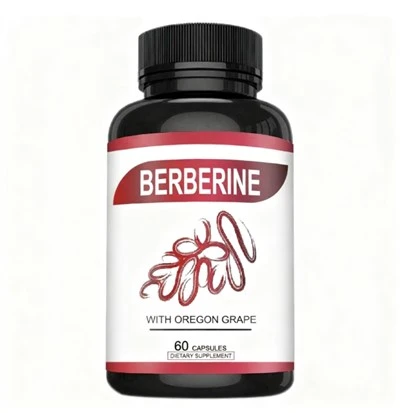
Now, let’s wrap this up. The biggest takeaway is that side effects from sports supplements are usually preventable if you use them right, buy from a trusted source, and don’t treat them like a miracle fix. A lot of the horror stories you hear are from people who took way too much, bought unregulated garbage, or didn’t pair them with a solid routine. So stay informed, stay safe, and if you need a reliable place to get your supplements, reach out. We’re here for you, not just a sale.
Cardiovascular References
- International Society of Sports Nutrition. (2021). Position stand: Creatine supplementation and exercise. Journal of the International Society of Sports Nutrition, 18(1), 1-24.
- Institute of Medicine. (1998). Dietary reference intakes for energy, carbohydrate, fiber, fat, fatty acids, cholesterol, protein, and amino acids. National Academies Press.
- U.S. Food and Drug Administration. (2023). Dietary supplements: What you need to know.
- Schoenfeld, B. J., et al. (2016). Dose-response analysis of protein intake and muscle mass adaptations to resistance training. The Journal of Strength & Conditioning Research, 30(11), 3087-3095.
- Collins, J. K., et al. (2018). Caffeine content of pre-workout supplements marketed in the United States. Journal of the American Medical Association, 319(10), 1036-1038.
Hanzhong Zhengtong International Foreign Trade Co., Ltd.
As one of the most professional sports supplement suppliers in China, we’re featured by quality products and low price. Please feel free to buy bulk discount sports supplement in stock here and get quotation from our factory. We also accept customized orders.
Address: No.100, Hanshui lmpression, Wangjiang Road, Hanzhong District, Hanzhong City, Shaanxi Province.
E-mail: zhengtong5120@163.com
WebSite: https://www.hzzt-health.com/
