Hey everyone! Let’s cut to the chase – if you’re in the construction game, you’re always on the hunt for ways to make materials better, cut costs, or ease workflow headaches. Last week, a project manager I work with (shoutout to Jake, he’s got a crew building that new high-rise downtown) hit me up, half-joking, like “Citrates? The preservatives in my salad dressing?” Well… yeah, that kind – but they’re low-key blowing up the construction world, and as a citrate supplier, I’ve been geeking out over how we’re fitting them into everything from concrete mixes to waterproofing lately. Let’s break this down without the stuffy lab jargon – promise I’ll keep it real, no textbook lectures. Citrates

First, let’s refresh what citrates actually are, quick (no snooze fest, I swear). They’re weak organic acids, most commonly sourced from sugar fermentation – like, the same stuff that gives citrus fruit that tang, but we make it on a big industrial scale for all sorts of stuff: food preservatives, cleaning supplies, even skincare. Here’s the tea for construction: their superpower is how they interact with water and minerals, especially cement. That’s the golden ticket right there, because concrete is basically water, cement, sand, and gravel – so any tweak to how those ingredients mix or set has massive ripple effects on a build.
Let’s start with the one everyone’s already messing with: concrete admixtures. For the uninitiated, admixtures are additives you toss into the mix to adjust concrete’s performance – you’ve got air-entraining agents, accelerators (speed up setting), retarders (slow it down), and water reducers (cut water use without killing strength). Citrates are the quiet workhorses here, mostly used as high-range water reducers and setting retarders, and let me tell you, that’s a game-changer for so many construction pain points.
Here’s why water reducers matter: too much water in concrete, and it’s workable (good for pouring) but weak as a wet paper towel once it cures – think 30-40% less compressive strength than concrete with the right water-cement ratio. Cut that water, and you get stronger, more durable concrete, no extra cement needed. Citrates do that by sticking to cement particles and keeping them from clumping together, so you can use way less water while still getting that smooth, pumpable mix that makes it easy to pour into those tight column forms or remote areas. Jake told me his crew used our citrate-based admixture on that downtown high-rise last month – they cut water use by 18%, and the cured concrete hit 28-day strength three days early. And bonus: less water means less shrinkage cracking, which is the bane of every structural engineer’s existence.
Now the retarder side of citrates is where it gets really useful, especially for big pours. Ever heard of “hot concrete”? That’s when it’s sweltering out, and concrete starts setting way faster than your crew can finish pouring and finishing it. No one wants to be in a position where half the mix is already hard before they can screed the surface – that’s a wasted batch, and a total headache. Citrates slow down the cement’s hydration (the chemical reaction that makes concrete harden) just enough to extend work time without messing up the final strength. On a recent interstate road project out west, a contractor I work with had a 12-hour continuous pour – no way they could pull that off without retarders. Their old retarder relied on a chemical that caused minor surface discoloration, but switching to our citrate mix meant no weird stains on the road, and they finished the 5-mile stretch exactly on schedule. The only catch? You can’t overdo it – too much citrate, and the concrete never sets at all. We always work with contractors to nail the dosage, and it’s never an issue once we match it to the mix design and weather.
Wait, but citrates aren’t just for concrete. Let’s talk about mortar, grout, and even pre-cast products. Mortar is what holds bricks or blocks together, and grout is that poupy stuff you squeeze into gaps to fill voids or anchor rebar. Citrates work here too, same reason as concrete – adjusting workability and setting time, but there’s a cool side project we’ve been testing with small pre-cast pavers. Normally, pre-cast pavers cure in a factory for 7-10 days before they’re ready to ship. Adding a tiny dose of our citrate mix cut that cure time by 30% – so our client can turn around a batch in 5 days, which means faster delivery and less time tied up in storage. They still hit all the strength and slip-resistance specs, no weird edge defects. Pretty neat for something that’s been around forever in another industry.
Now, let’s get real about the not-so-glamorous stuff: durability and sustainability, two huge buzzwords in construction right now, and citrates are delivering on both. Curing concrete, especially in hot, dry weather, means you have to keep it moist for days to prevent it from drying out too fast and cracking. That uses so much water – some projects burn through thousands of gallons just for curing. Wait for it: citrates can help with that too. When they’re in the mix, they form a super thin, invisible (and non-toxic) film on the curing concrete surface that locks in moisture. One of our residential clients in Arizona told me they cut their curing water use by 45% last summer – that’s a massive win for water-strapped areas, not to mention a huge cost save on water bills.
And sustainability? Let’s be honest, construction is one of the biggest industries contributing to carbon emissions, so any tweak that makes materials last longer or use less stuff matters. Citrate-adjusted concrete is 10-15% stronger on average, so you can actually use less cement, which is the biggest culprit for concrete’s carbon footprint (cement production makes ~8% of global emissions). That adds up across a whole project – a school or apartment building could cut its concrete-related carbon output by thousands of pounds just by switching to a citrate admixture. Plus, citrates are biodegradable, unlike some synthetic admixtures that hang around in the environment if there’s a spill. If we’re talking green construction certifications (LEED, BREEAM), that biodegradability and lower water/cement use check so many boxes.
Okay, but before I make citrates sound like a magic cure-all, let’s lay out the fine print, because nothing in construction is perfect. First, dosage is everything – like I said earlier, too much will kill set time. Different cement formulations (some have more alkali, some less) react differently, so we can’t just send a one-size-fits-all jug and tell you to dump 2 ounces per yard. We work directly with crews to test small batches first, tweak the mix, and make sure it’s aligned with their timeline and project specs. Second, citrates aren’t great for every scenario. If you’re pouring small, quick-set jobs – like a patio that needs to be walkable in 2 hours – a citrate retarder would mess that up, and you don’t need the water reduction anyway. They’re built for larger pours, long work windows, or projects where durability and sustainability are top priorities. Third, storage: citrates are water-based, so if you leave them outside in freezing temps, they can thicken up and not mix evenly. We supply insulated totes for cold climates, so that’s a solvable issue, but it’s something to plan for.
Another thing people ask me all the time: “Is this safe for workers?” Let’s confirm – citrates are non-toxic, no harsh fumes, no skin irritation (we’ve had crews touch them for years with no issues). That’s a big win over some chemical admixtures that require gloves or masks. No more guys showing up to a shift with a stuffy nose from chemical fumes – just smooth, safe mixes.
Wait, let’s circle back to the real-world projects I’ve seen this year to make this concrete (pun totally intended). Last spring, a bridge construction crew in Ohio had to pour a 200-foot span deck in 90-degree heat. Their original retarder made the concrete’s surface too soft, so they were on the brink of re-routing their entire schedule and losing $50k in overtime. They switched to our citrate-based retarder, extended their work window by 4 hours, got a hard, durable deck that passed all load tests, and saved almost $30k in overtime. Another one: a small pre-cast yard in Texas that makes patio pavers and retaining wall blocks. They used to wait 10 days for their pavers to cure, so they only had enough space to store 2,000 pallets at a time. Adding our citrate mix cut cure time to 5 days, so they now have space for 5,000 pallets, no extra factory space needed. That’s pure efficiency, no B.S.
Now, as a citrate supplier, let’s be clear about how we fit into this. We’re not just selling a bottle of liquid – we’re partnering with contractors, structural engineers, and pre-cast manufacturers to figure out exactly what they need. Every project is different: a high-rise in New York City has different mix needs than a road in Montana, or a residential foundation in Florida. We test their existing cement, adjust our citrate concentration, help with dosage, and even troubleshoot on-site if something comes up (though that’s rare if we do our pre-pour checks right). The best part is we can scale – from small residential jobs that need 5-gallon buckets to interstate projects that need 10,000-gallon insulated totes – no order is too big or too small.
Wait, I know what some of you are thinking: “Why haven’t I heard of this before?” Well, it’s not a new discovery – citrates have been used in concrete for over 50 years, but they’ve flown under the radar because synthetic admixtures have gotten more attention lately. But as builders are pushing for more sustainable, cost-effective materials, they’re coming back around. The old chemicals work, but they’re more toxic, more expensive, and worse for the planet. Citrates check all those boxes without sacrificing performance.
Let’s wrap this up with some honest takeaways, no fluff. Citrates aren’t going to replace every additive in construction – you still need accelerators for quick-set jobs, air-entraining agents for cold climates, etc. But they’re a versatile, cost-effective, sustainable tool that solves some really big pain points: too-short work windows in hot weather, weak concrete from too much water, long cure times, high water use, and bad environmental footprints. And since they’re non-toxic, they make jobsites safer for the crews doing the heavy lifting.
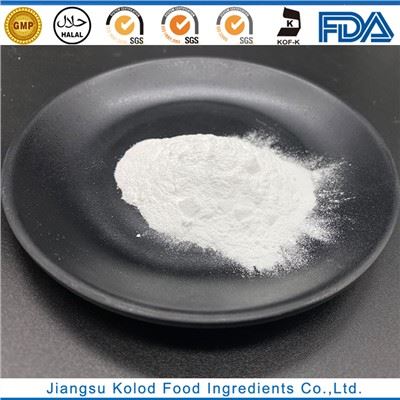
If you’re a contractor, engineer, or project manager who’s dealing with any of those issues, I’d love to chat. We can send over free small test batches, run a quick analysis of your current mix, and figure out if citrates can make your next project smoother, cheaper, and more durable. No sales pitches, no weird fine print – just real solutions for real construction problems.
Ferrous Oxalate References:
- Taylor, H.F.W. (1997). Cement Chemistry. 2nd ed. Thomas Telford.
- Ramachandran, V.S. (1996). Concrete Admixtures Handbook: Properties, Science, and Technology. 2nd ed. Noyes Publications.
- American Concrete Institute (ACI) Committee 212. (2020). Report on Concrete Admixtures. ACI 212R-20.
- Chandra, S., & Björnström, J. (2002). Influence of citric acid on setting and hardening of Portland cement. Cement and Concrete Research, 32(10), 1579-1585.
- World Green Building Council. (2022). Global Status Report for Buildings and Construction. World Green Building Council.
Jiangsu Kolod Food Ingredients Co., Ltd.
As one of the most professional citrates manufacturers and suppliers in China, we’re featured by quality products and good price. Please rest assured to wholesale bulk citrates made in China here and get free sample from our factory. Customized orders are welcome.
Address: South Side of Weier Road, Guanyun Development Zone, Lianyungang City, Jiangsu Province, China
E-mail: sales1399@jskolod.com
WebSite: https://www.kolod-group.com/
