Hey everyone, if you’re deep in the food processing game, you’ve probably spent way too much time troubleshooting equipment failures that throw off your whole production line—last-minute breakdowns, rusted parts that contaminate batches, or parts wearing out way faster than they should. Here’s a secret I’ve been spilling to food processing teams for years: ferro silicon isn’t just for steelmaking, like most people think. As a ferro silicon supplier, I’ve worked with dozens of food processing facilities and seen firsthand how this unassuming alloy fixes so many of the headaches you deal with daily. Today, I’m breaking down exactly how we use ferro silicon to upgrade food processing equipment, no boring textbook stuff—just real, practical stuff that actually works for your operations. Ferro Silicon
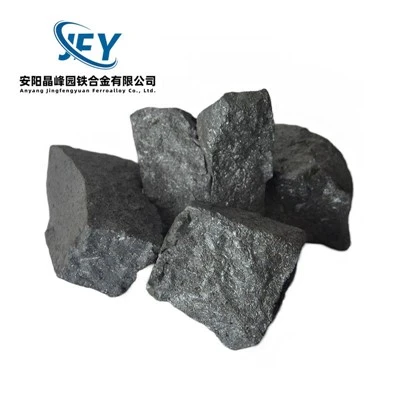
First off, let’s keep it simple: what even is ferro silicon, for anyone new here? It’s an alloy made mostly of iron and silicon, with a bunch of trace elements that make it way more durable than regular steel. People usually associate it with adding silicon to steel to make it stronger or more flexible, but the food processing side of things is where the magic happens. The big win with ferro silicon is that it’s corrosion-resistant, way tougher than plain carbon steel, and holds up to the super specific conditions of food processing—think high heat, constant moisture, and even occasional acidic or alkaline cleaners that would wreck lesser metals.
Let’s start with the part that’s actually non-negotiable in food processing: pumps. If you’re pumping things like tomato puree, citrus juice, or even thick dough, your pump parts take a beating. Regular steel pumps rust after a few months, especially if they’re sitting with residual product that’s acidic or sugary, and rust flaking off can contaminate your food—hello, food safety nightmare. Ferro silicon pump components solve that big time. The chromium and nickel additives we mix into our food-grade ferro silicon (important: we don’t use the kind with extra heavy metals, we test every batch for food safety standards) create a tight, stable oxide layer on the metal that keeps water, acid, and bacteria out. I had a client a couple months back making apple cider; they were going through 3 small regular steel pumps a year, replacing seals and impellers every 4 months. Switched to our ferro silicon impellers and pump casings, and now they’ve barely touched them in 18 months. No rust, no flaking, no random safety checks turned up contamination from pump parts—game changer for their downtime, and that means they can run more batches without slowing down.
Next up: heat exchangers. Food processing relies on heat exchangers for everything from pasteurizing milk to cooling chocolate, and those things go through extreme temperatures—steaming hot for pasteurization, freezing cold for cooling, over and over again. Regular metal parts expand and contract with those temperature swings, leading to cracks over time that leak. Ferro silicon is way more thermally stable than plain steel, so it doesn’t crack or warp from repeated temperature changes. Plus, it’s resistant to scaling—you know that gunk that builds up on heat exchanger tubes when you heat milk or juice, right? Scaling reduces efficiency, makes you use more energy, and is a pain to clean. Ferro silicon’s smooth surface (we polish it to a food-grade finish, no rough edges that trap gunk) keeps scaling way lower. A local dairy client told me after switching to our ferro silicon heat exchanger plates, their energy bills dropped by 12% because the plates stayed efficient, and their cleaning time for those parts went from 2 hours every week to 45 minutes. That’s hours back in their day to focus on other stuff, not scrubbing tubes.
Then there’s screens and sieves, the workhorses of sorting and separating food—sorting grain, sifting flour, removing seeds from sauce, all that. These parts are under constant vibration, rubbing against food, and getting hit with abrasive stuff like sugar, grain, or nuts. Regular wire screens stretch and wear out fast, especially when they’re vibrating nonstop. Ferro silicon wire for screens? It’s way stronger and more abrasion-resistant. It doesn’t stretch, so the mesh stays tight and uniform—meaning you get accurate sizing every time, no more lumpy flour or over-sized grain that gets rejected. I had a snack food manufacturer making protein bars; their old nylon and steel screens would break every 6 weeks, leaving them with a bunch of off-sized bars that had to be discarded. Switched to our ferro silicon screens, and those are still going strong after 10 months. No broken mesh, no wasted product from bad sizing, and they save money on replacement parts too.
Wait, let’s talk about something that’s super important for food processing that a lot of people overlook: food safety compliance. The FDA has strict rules about what metals can touch food, and a lot of generic metal parts don’t meet those standards. Our ferro silicon is tested to NSF/ANSI 51 standards, which is the big one for food equipment materials—no lead, no excessive heavy metals, nothing that will leach into food. That’s a huge relief for clients who don’t want to risk failing a food safety audit because of bad equipment parts. A craft brewery I work with was dealing with an audit a while back, and their old fermenter racks were made of regular steel that had a little bit of lead from manufacturing. They replaced them with our food-grade ferro silicon racks, passed their audit with flying colors, and haven’t had any issues with off-flavors from metal leaching since. That’s not just a convenience—it’s avoiding a huge fine or even a product recall.
Oh, and let’s not forget about conveyor belts and their parts. Conveyors move everything from raw vegetables to packaged snacks, and the guides, rollers, and sprockets on conveyors are constantly rubbing, getting splashed with water or food residue, and exposed to cleaning chemicals. Regular plastic or nylon parts wear out in months, especially if you’re using harsh cleaners that break down plastic. Ferro silicon conveyor components—like rollers and guide rails—are way more durable, resist chemical damage, and don’t get slippery when wet. A produce processing client was replacing their conveyor guides every 3 months because they’d get worn down and let cucumbers fall off the line, causing jams. Switched to our ferro silicon guides, and those are still on the line after a year. No jams from worn parts, less product spillage, less downtime to replace them. That’s a big deal for high-volume produce operations where downtime means lost product.
Now, I know what some of you are thinking: “Is ferro silicon worth the extra cost upfront?” Yeah, it is. I always tell my clients it’s not about the sticker price—it’s about the total cost of ownership. Let’s do quick math: if a regular steel impeller is $50 and lasts 4 months, that’s $150 a year. Our ferro silicon impeller is $150, lasts 18 months—so that’s $100 a year. You save money, no downtime replacing parts, less risk of contamination. It’s a no-brainer. Plus, if you buy in bulk, we offer discounts that make it even easier to switch over without breaking your budget.
A lot of people also worry about working with a supplier that gets their ferro silicon right—like, not the cheap stuff that’s full of impurities that can mess with food. We test every single batch we send out for food safety, send you a COA (certificate of analysis) so you can prove to your team or auditors that the parts are safe. No cutting corners, no sketchy materials. I’ve had clients tell me they’ve tried cheap ferro silicon from other suppliers before, and it rusted in 2 months. We don’t do that—our food-grade ferro is formulated specifically for equipment that touches food, so you don’t have to worry about that.
Wait, let’s get real for a second— I don’t want this to sound like a sales pitch that doesn’t get it. I know food processing is chaotic. You’ve got deadlines, supply chain delays, quality checks every hour, and if a piece of equipment goes down, it costs you thousands in lost product and missed orders. Ferro silicon solves a lot of those random, expensive headaches that you might not even be thinking about until it’s too late. The stuff that’s not part of your regular maintenance budget, but takes up way more time and money than it should.
If you’re tired of replacing parts every few months, dealing with rust and contamination, or losing money to downtime, we should talk. I can send you samples of our food-grade ferro silicon components, or work with your maintenance team to figure out exactly what parts you need for your specific equipment—whether that’s pumps, heat exchangers, screens, conveyor parts, whatever. No pressure, no fine print, just actual solutions for food processing equipment that works.
At the end of the day, food processing is about two things: making safe, consistent product, and keeping your operations running smoothly. Ferro silicon helps with both. It’s not a fancy new technology, it’s a tried-and-true alloy that most people just don’t associate with food processing, but once you switch over, you’ll wonder how you ever worked without it.
If you want to chat more, get pricing, or figure out what parts you need, reach out. No B.S., just honest advice and quality ferro silicon that works for your operations.
Carbon Raiser References:
- NSF International. (2022). NSF/ANSI Standard 51: Food Equipment Materials.
- Food and Drug Administration. (2021). Metals Used in Food Contact Surfaces: Guidance for Industry.
- Metallurgical Society. (2020). Corrosion Resistance of Ferro Silicon Alloys for Industrial Applications.
- International Commission on Microbiological Specifications for Foods. (2019). Metal Contamination Risks in Food Processing Equipment.
- Journal of Food Engineering. (2021). Thermal Stability of Ferro Silicon Components in High-Temperature Food Processing Systems.
Anyang Jingfengyuan Ferroalloy Co., Ltd.
As one of the most professional ferro silicon manufacturers and suppliers in China, we’re featured by quality products and good price. Please rest assured to buy bulk ferro silicon in stock here and get quotation from our factory. We also accept customized orders.
Address: Longquan Town Industrial Park, Long’an District, Anyang City, Henan Province
E-mail: Jingfengyuan@jfyferroalloys.com
WebSite: https://www.jfy-ferroalloy.com/
