If you’ve ever spun an electric toothbrush 10 times in your mouth or let a facial cleansing device glide over your cheek, you’ve probably never stopped to think about the tiny motor powering that whole thing. As a supplier of personal care brushless motors, I get asked this question all the time: “Why not just use a cheap brushed motor? They’re everywhere, right?” And yeah, they are—but when you’re designing a product that’s supposed to feel good on skin, run quietly, and last through 3+ years of weekly use, the motor isn’t just a part. It shapes every single design choice, from the product’s weight to its water resistance to how much it costs to make. Personal Care Brushless Motor

Let’s start with the most obvious: weight and ergonomics. Personal care products live in your hand, so if they’re too heavy, you’ll put them down halfway through your routine. A lot of mass-market brands cut corners here with bulky brushed motors, which need extra coils and brushes that add ounces. My team worked with a small facial massager brand last year that was struggling with this. Their original design used a brushed motor that made the whole device 180 grams—way too heavy for someone to hold for 5 minutes while massaging. We swapped in our ultra-compact brushless motor, which is 40% smaller and lighter. Suddenly, they didn’t have to carve out extra space in the handle for a heavy motor, so they could make the body from thinner, softer silicone. That small change turned a “clunky chore” into something people actually looked forward to using. Brushed motors might seem like a quick fix, but they force designers to add bulk that harms the user’s experience.
Next up: noise and vibration. No one wants a toothbrush that sounds like a power drill right next to their ear, or a sonic exfoliator that vibrates so hard it makes your whole bathroom counter shake. Brushless motors are inherently quieter because they don’t have those physical brushes rubbing against a commutator—no annoying friction noise. But here’s the design twist: that low-vibration, smooth spin means you don’t have to add extra dampening materials. A brushed motor needs rubber or foam inserts to muffle that harsh vibration, which adds cost and makes the product thicker. We worked with an electric toothbrush brand last month that was going through three different dampening foam types just to get the noise level under 55 decibels (about the volume of a normal conversation). When we switched in our brushless motor, they could skip all that foam entirely. The toothbrush felt sleeker, was cheaper to make, and users didn’t complain about “that annoying high-pitched whine” anymore. It’s not just about quiet—it’s about the feel of the device in your hand. Vibration is what makes a product either feel gentle or harsh on skin, and brushless motors let you tune that vibration to be consistent without fighting the motor’s own messy mechanics.
Water resistance is another big one. Most personal care products get wet—some even have to be fully submersible for easy cleaning. Brushed motors hate water. Any moisture gets inside, corroded the brushes, and stops working within months. So designers have to add a heavy plastic seal around the motor, which adds size and weight again. But brushless motors have no brushes exposed to the air inside, so they’re way more water-resistant right out the box. We supply motors rated for IPX7 (meaning they can go up to 1 meter underwater for 30 minutes) without needing extra bulky seals. A portable cleansing wipe dispenser brand we partner with designed their whole unit around that. They wanted to make it easy to toss in a shower caddy, so they didn’t have to seal the motor compartment with a rubber gasket that would catch on the caddy every time. Instead, they just molded the motor into the handle’s inner cavity, and the whole thing is water-safe. If they’d used a brushed motor, they would’ve had to make the seal so big that the dispenser would be 20% bulkier and harder to store. That’s the kind of domino effect a motor has: one choice changes every part of the design, even how you store the product.
Durability too. Personal care products get dropped, knocked off sinks, shoved in gym bags—they don’t get the gentle treatment a laptop does. Brushed motors have moving parts that wear out fast: the brushes themselves will grind down in 1-2 years, often making the motor die right when the product’s warranty ends. Brushless motors have no brushes, so the only wear is on the bearings, which last 5+ years with regular use. That means designers don’t have to build in extra “backup” parts or oversize components just to make the motor last. A men’s electric trimmer brand we worked with earlier this year had a problem where their brushed motor trimmers were dying after 18 months, so they added a thicker metal shaft to reduce wear. That made the trimmer 50 grams heavier and cost $2 more to manufacture. When they switched to our brushless motor, the thin, lightweight shaft was more than durable enough. They cut the weight, lowered the cost, and customers said the trimmer felt more maneuverable. It’s a small detail, but that durability change directly affected how the product performed for years.
Don’t get me wrong—brushless motors aren’t perfect for every small personal care product. If you’re making a $1 disposable facial roller that runs on a coin battery for 2 weeks, a brushed motor is fine. But when you’re making a mid-range product that people will use daily for months, the motor isn’t a afterthought. It’s the core that tells designers: how small can the handle be? How quiet should it be? Do we need a waterproof seal? How long will this product last?
That’s why as a brushless motor supplier, I don’t just sell a part. I work with design teams to tweak the motor’s specs to fit their exact needs. Maybe they need a faster spin for a sonic toothbrush, or a lower torque for a gentle eye massager. We adjust the winding, the size, the power output, and then they can adjust the rest of the product to fit. It’s a two-way street, not just “here’s a motor, build around it.”
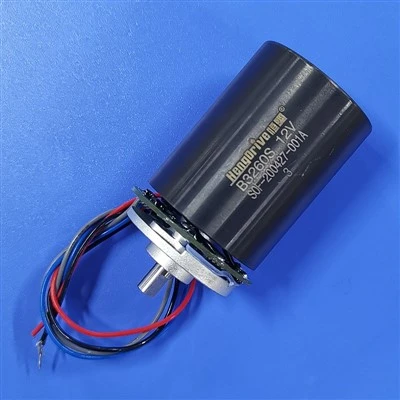
If you’re designing a personal care product right now and you’re stuck on how the motor’s affecting your design, hit me up. I don’t do complicated sales jargon—just talk through what you’re trying to make, the problems you’re running into, and we can figure out a motor that works for you. No hard sells, just real talk about making a product people actually want to use.
Automotive Brushless Motor References
- Industry Report on Personal Care Device Motor Technology, 2023
- International Electrotechnical Commission (IEC) Standards for IP Rating of Consumer Electronics, 2022
- Journal of Medical Devices: Ergonomics in Personal Care Product Design, 2021
- Brushless Motor Efficiency and Lifespan Data, Consumer Electronics Association, 2023
Shenzhen HengDrive Technologies Co., Ltd.
Shenzhen HengDrive Technologies Co., Ltd. is one of the most professional personal care brushless motor manufacturers and suppliers in China, specialized in providing high quality customized service. We warmly welcome you to buy the newest personal care brushless motor in stock here from our factory.
Address: Building A & F, FuNing Hi-Tech Park, XinTian Road, FuHai Street, BaoAn District, ShenZhen, GuangDong Province, China.
E-mail: Marketing001@hengdrive.com
WebSite: https://www.hengdrivemotor.com/
