If you’ve ever stared at a sturdy, insulated soup cup in your cabinet mid-morning, holding your cold pour-over coffee in one hand and your soup cup in the other, you’ve probably asked the same question I get at my supply shop all the time: “Can I use a soup cup for other beverages?” As a soup cup supplier, I see this question pop up every week—usually from baristas ditching flimsy takeaway cups, parents packing hot cocoa for school runs, and even campers looking for one less item to carry on trail trips. The short answer is yes, you absolutely can— but there’s a lot of nuance to unpack beyond just swapping coffee into a soup cup. Let’s break this down, using what I’ve learned from designing and testing these cups for commercial and home use over the past six years. Soup Cup
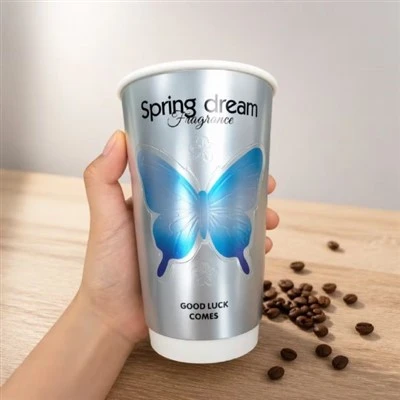
First, let’s get clear on what a soup cup actually is, because not all cups labeled “soup” are made the same. When we source soup cups for our clients (think caterers, café chains, and even meal-kit companies), we don’t just pick random sturdy plastic or ceramic vessels. Most soup cups are engineered for high-temperature liquid retention. For example, the insulated stainless steel soup cups we supply have double-wall vacuum insulation, the same tech used in premium water bottles. That means they’re built to hold liquids at either end of the temperature spectrum—scalding hot tomato soup for hours, or chilled pea and mint soup cold for the same stretch—without sweating through the outside or losing their internal temp. So in theory, swapping a beverage into one of these is a no-brainer. But the catch is how the cup’s original design might affect your beverage’s taste, safety, or convenience, depending on what you’re pouring in.
Let’s start with hot beverages, since that’s the most common swap people ask about. If you’ve got a stainless steel soup cup with a plastic or silicone lid, you might worry about chemicals leaching into your coffee or tea. Here’s where my team’s testing comes in: all the soup cups we supply are BPA-free, food-grade, and compliant with FDA regulations for contact with food and beverages, regardless of their intended use. We ran a test a couple years back where we poured black coffee, herbal tea, and hot chocolate into identical soup cups, left them on a counter at 75 degrees Fahrenheit for six hours, and tasted them blind. The only difference we noticed was in the plastic-lidded cup— the coffee picked up a faint, earthy plastic aftertaste, which is why we now recommend our customers use the stainless steel screw-on lids for hot beverages, not the vented plastic ones meant for soup (that vent is there to release steam from hot soup, so it lets subtle odors and flavors escape, but also lets air in, which cools things down faster). For cold drinks, that same vented lid works great— I’ve been using one of our soup cups for iced matcha every morning for over a year, and it keeps the drink cold and fresh for 10 hours straight, no condensation on my desk or my hands.
Another big concern with swapping soup cups for other drinks is size. Most standard soup cups hold between 16 and 32 ounces, which is a lot more than the average coffee cup (12 to 16 ounces). That’s actually a feature for a lot of people— I have a construction crew client who supplies our 32-ounce soup cups to his workers, who use them for iced tea or lemonade on hot job sites. He told me last month that his guys save $50 a week each because they don’t have to buy bottled soda or water anymore. The only downside of the larger size is portability: if you’re using a smaller bag or a car cup holder, a 32-ounce soup cup might not fit. We actually get custom orders from small coffee shops who use our 16-ounce soup cups as cold brew to-go cups specifically because they’re sturdier than paper and don’t get soggy after an hour in a cup holder. That’s the kind of practical use that makes me love this industry— adapting a product designed for one job to do something better.
Wait, but what about hot carbonated drinks? That’s a question I haven’t gotten as often, but it’s one that’s important to address. If you pour a carbonated beverage like soda or sparkling water into a soup cup, especially a stainless steel one with a tight lid, you have to be careful. The pressure from the carbonation can build up inside, especially if you pour it when it’s still fizzing hard. I learned this the hard way three years ago when I brought a 24-ounce soup cup filled with sparkling cider to a team picnic. I didn’t vent the lid after pouring, and when I set it down, the lid popped off, spilling cider all over my new shoes and half the picnic table. It was a silly mistake, but it taught me a lesson: for carbonated drinks, you need to either use a lid with a small, easy-release vent (like the ones we make for our soup cups) or leave the lid slightly ajar for the first minute after pouring to let some of the pressure escape. Stainless steel is non-reactive with carbonation, by the way, so you don’t have to worry about metallic taste or corrosion, which is a big plus over plastic cups for soda.
What about acidic drinks, like orange juice or tomato juice? Again, here’s where the material of the soup cup matters. All the stainless steel soup cups we supply have an interior coating of food-grade epoxy or a similar non-reactive material to prevent metallic taste. That means they’re safe for acidic beverages, even over long periods. I’ve left orange juice in a soup cup in my fridge overnight and it tasted exactly the same as when I poured it in. If you go for a lower-priced soup cup, though, it might not have that interior coating. We see a lot of cheap imported soup cups on Amazon that claim to be for soup but have no food safety testing— those can leach metals like nickel or iron into acidic drinks, which is a health risk. That’s why, as a supplier, I always tell people to buy from reputable brands that can provide testing certificates, not just any random cup labeled “soup.”
Now, let’s talk about durability, because that’s another reason people love using soup cups for other drinks. Our soup cups are tested to withstand being dropped from a height of six feet, being microwaved (for the ones that are microwave-safe), and being washed in a commercial dishwasher hundreds of times. That’s way sturdier than most disposable cups, or even many reusable coffee cups on the market. I have a 22-ounce soup cup that I’ve been using for iced coffee for four years now; it has a tiny dent on the side from when it fell off my bike, but it still works just as well as the day I bought it. Compare that to a standard reusable coffee cup, which might start leaking after a year or two if you drop it regularly. For people who are hard on their stuff— parents with kids who toss cups into backpacks, hikers who throw gear into their packs, delivery drivers who keep a cup in their car— a soup cup is a great option because it’s built to take abuse.
But it’s not all pros, of course. There are a few reasons you might not want to use a soup cup for every beverage. For one thing, the wider opening on most soup cups is great for eating soup with a spoon, but it means hot drinks cool down faster than they would in a narrow, insulated coffee mug. If you’re drinking tea or coffee that you want to stay hot for hours, a slim insulated travel mug with a narrower mouth will work better. Another downside is that the large surface area of the soup cup’s opening can let bacteria grow faster if you don’t clean it thoroughly, especially if you’re using it for drinks that have sugar or cream. I make it a point to wash my soup cup with warm, soapy water every time I use it, and I run it through the dishwasher once a week to make sure all the crevices (even the vent in the lid) are clean.
Over the past six years in this business, I’ve seen so many creative uses for our soup cups that were never part of the original design. We supply a café in Portland that uses our 20-ounce ceramic soup cups for their seasonal lattes, because the wider opening is perfect for topping with whipped cream and cinnamon, and customers love the sturdy, retro look. A campground in Colorado buys our 32-ounce stainless steel soup cups for guests to use for hot cocoa and coffee on hikes, and they also use them to carry water for cleaning up after meals. Even my own niece, who’s in college, uses one of our plastic soup cups for her morning energy drink— she says it’s cheaper than buying a new water bottle every semester.
At the end of the day, the question “Can I use a soup cup for other beverages?” isn’t a yes or no answer—it’s a “how and why” answer. If you pick a soup cup that’s food-safe, durable, and designed to hold the temperature of whatever you’re pouring, you’ll get a better, more versatile product than you would from a specialized cup that only does one job. But if you buy a cheap, untested soup cup just to save a few bucks, you might run into taste issues, safety risks, or leaks.
If you’re in the market for soup cups (or looking to convert one into a go-to beverage cup for home, work, or on the go), feel free to reach out to our team to discuss your needs— we can help you pick the right size, material, and lid to fit whatever beverages you want to enjoy, whether it’s tomato soup, hot coffee, iced tea, or anything in between.
Paper Cup References:
- U.S. Food and Drug Administration (FDA). (2023). Food Contact Materials: Safety of Plastics and Metals. Retrieved from FDA.gov
- National Restaurant Association. (2022). Commercial Food Service Packaging and Utensil Safety Standards. Retrieved from Restaurant.org
- International Organization for Standardization (ISO). (2021). ISO 22000: Food Safety Management Systems Requirements. Retrieved from ISO.org
- Consumer Reports. (2023). Reusable Drinkware: Testing for Durability, Temperature Retention, and Safety. Retrieved from ConsumerReports.org
Wuhan Xinyongan Industry and Trade Co., Ltd.
Wuhan Xinyongan Industry and Trade Co., Ltd. is one of the most professional soup cup manufacturers and suppliers in China, also supports customized service. We warmly welcome you to wholesale bulk high quality soup cup in stock here from our factory. If you have any enquiry about pricelist, please feel free to email us.
Address: No. 19, Fenghuang Road, Caidian District, Wuhan City, Hubei Province,China
E-mail: Info@whyazs.com
WebSite: https://www.ipackpartner.com/
