Hey there! If you’ve ever bought hot rolled steel for a project—whether it’s a garage frame, a farm implement, or a random DIY build—you’ve probably held a piece and thought, “Wait, this isn’t the smooth, shiny stuff I see at the hardware store.” I’ve been in the hot rolled steel supplier game for 12 years now, and that surface is the first thing most folks react to, right after they check the price tag. Let me pull back the curtain on what hot rolled steel surface finish actually is, why it’s that way, and why that rough, scaled-up look isn’t a flaw—it’s kind of a feature, if you know how to use it. Hot Rolled Steel
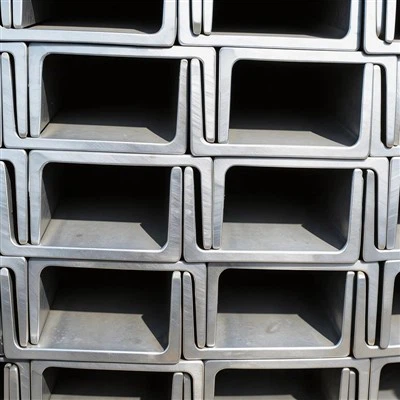
First off, let’s get super basic about how hot rolled steel is made, because the surface starts forming the second that slab of steel comes out of the furnace. We’re talking 1,700 to 2,300 degrees Fahrenheit—hot enough that steel is squishy like wet clay, which is why we can roll it into beams, sheets, or whatever shape you need. But when that super-hot steel hits oxygen as soon as it leaves the furnace? BAM—mill scale forms. That’s the gray, flaky crud that covers every inch of hot rolled steel, right? It’s not rust, by the way—rust is iron oxide that forms after you’re done making the steel, mill scale is a temporary layer that happens during manufacturing. I used to mix those up back when I started in the warehouse; a old-timer set me straight real fast, said “Mill scale’s a byproduct of being cooked, rust’s a sign it’s been neglected.” That stuck.
So what does that surface actually look and feel like? If you run your hand over a piece of hot rolled sheet or a I-beam, it’s rough—not the smooth, almost glassy finish of cold rolled steel, which gets rolled at room temp. The mill scale is uneven, too—some spots are thicker, some are thinner, sometimes it’s a mix of gray, black, or even a faint blue tint if the steel was extra hot when it was rolled. A lot of people think that rough surface is a problem, especially if they’re comparing it to cold rolled, which is way smoother. But here’s the thing: hot rolled’s surface isn’t supposed to be pretty. It’s designed to be strong, easy to work with for certain jobs, and way cheaper than cold rolled, which has that extra step of removing scale and finishing it smooth.
Wait, let’s break down the surface differences to make it real. Last month, a customer came in looking for steel to make a custom patio railing. First he asked for cold rolled, then when I showed him hot rolled, he wrinkled his nose and said “That looks unfinished.” I showed him the perks of the hot rolled surface, though. That rough, scaled surface is actually amazing for welding—wait, why? Because mill scale has a higher heat conductivity? No, actually, it’s because that texture lets the weld bead grip way better than it would on cold rolled’s smooth, greasy (wait, cold rolled has oil too, but that’s a different thing) surface. He ended up going with hot rolled, and a week later he texted me a pic of the railing, said he’s never had welds stick easier. Also, the rough surface is perfect for priming and painting—paint adheres way better to a textured, slightly porous surface than a smooth one. If you tried to paint cold rolled without sanding it first, the paint would chip right off. With hot rolled? Just a quick wire brush to knock off the loose scale, and the primer sticks like glue.
Now, let’s talk about common misconceptions around that surface. A lot of new buyers think mill scale is just rust waiting to happen, but that’s not true if the steel is stored correctly. Mill scale is a dense oxide layer that acts like a barrier—keeps oxygen and moisture from getting to the actual steel underneath. If you leave hot rolled steel outside, covered with a tarp, that mill scale will hold up way better than bare steel would. The only time mill scale causes issues is if you’re machining the surface—like if you need a tight fit for a bearing or something. Then you have to remove it, either with a wire wheel, sandblasting, or pickling (that chemical dip we use to strip scale quickly). But for most structural projects, automotive frames, farm equipment, even that DIY fire pit you’ve been building? You don’t need to remove it.
Another thing I see all the time is people mixing up hot rolled’s surface with other steel types. Like, stainless steel has its own finish (way smoother, sometimes polished), galvanized steel is coated with zinc so it has a spangled, sparkly look—totally different. Hot rolled’s finish is consistently rough, but it’s not messy or inconsistent by design. The mill scale forms evenly during rolling, so as long as we do our job right at the mill, the surface is uniform across a whole batch. I once got a complaint from a contractor who said his hot rolled beams had “patchy scale”—turns out he stored them outside uncovered during a rainstorm, and the water caused some spots of scale to flake off unevenly. That’s user error, not a flaw in the steel surface. Live and learn, right?
Let’s get into the nitty-gritty of the science for anyone who’s curious, but keep it casual. Mill scale is made of three layers, right? The top layer is black iron oxide (Fe3O4), that’s the thick, flaky stuff you can brush off. The middle layer is iron oxide (Fe2O3), and the thin layer closest to the steel is wüstite (FeO). Wüstite only forms at super high temps (above 1,300 F), so that’s why it’s only on hot rolled steel. When the steel cools, those layers contract at different rates, which is why mill scale flakes off so easily when you tap it or run a grinder over it. That uneven contraction is also why the surface isn’t perfectly smooth—each layer shrinks a little differently, so you get that rough, slightly bumpy texture.
Now, as a supplier, I’m not just here to dump steel on customers. I always walk them through the surface pros and cons, because picking the right finish makes their project way easier. Let’s say you’re building a small shed—hot rolled’s surface is perfect, no extra work. If you’re making a part that needs to slide into another part with a tight tolerance? Then hot rolled’s rough surface is a problem, so I’ll point them to cold rolled, or tell them we can blast the hot rolled to remove scale for machining. And I never lie about the surface—if a customer wants a smooth finish, I don’t try to push hot rolled just because it’s cheaper. That’s how you get repeat business, y’know?
I also get a lot of questions about cleaning hot rolled steel’s surface. A lot of DIYers think they need to sand off all the mill scale before painting or welding, but that’s not necessary. For welding, the only thing you need to do is knock off the loose, flaky scale with a wire brush—don’t go deep, because the solid mill scale that’s stuck on there doesn’t interfere with the weld. If you want to paint it, same thing: a quick power wash, then a wire brush to get rid of the loose stuff, and then epoxy primer works great. If you want that smooth, industrial look (think: the “raw steel” aesthetic you see in modern furniture), you can leave a little mill scale, or blast it lightly for a uniform rough look. That’s actually super popular for custom furniture right now—people love that authentic, unpolished hot rolled surface.
Wait, let’s share a quick story to make this real. Last year, a guy reached out to me on Instagram (yeah, I’m on social media for the business) saying he wanted to build a metal coffee table and thought hot rolled was “too ugly.” I sent him a piece of hot rolled sheet, a wire brush, and a sample of the rough industrial finish, along with a pic of a table we made for a local café. He sanded a little, hit it with a clear coat, and texted me a pic of the table—it was awesome, way better than any cold rolled table he would’ve made. He ended up ordering 10 sheets for a line of custom tables he sells. That’s the beauty of hot rolled’s surface—it’s not ugly, it’s just a different look if you know how to finish it.
Now, let’s talk about when the surface actually is a problem. If you’re using hot rolled steel for something that needs to hold food, for example? The mill scale can flake off and contaminate food, so you’d need to remove it completely. Or if you’re doing a precision job, like making parts for a bike frame that need to fit tight together—then the rough surface is a big issue. But for 90% of the projects our customers do, hot rolled’s surface is exactly what they need: durable, cheap, easy to work with, and strong.
I know a lot of people in the steel industry act like hot rolled’s surface is boring, but I think it’s kind of cool. It’s a physical marker of how the steel was made—cooked hot, rolled into shape, left to cool naturally. No fancy coatings, no extra steps, just steel as it comes out of the mill. And as a supplier, my job is to help customers understand that, not just sell them a piece of metal. I take time to show them samples of the surface, explain what mill scale is, tell them how to prep it for their project, and make sure they’re getting exactly what they need, not what they thought they needed.
If you’re working on a project right now—whether it’s big or small, structural or decorative—don’t sleep on hot rolled steel. Yeah, the surface is rough, but that’s a feature, not a bug. It’s perfect for welding, perfect for painting, perfect for that raw industrial look everyone’s going for, and way more budget-friendly than other steel types.

If you’ve got questions about hot rolled surface finishes, or you need a quote for your next project, hit me up. I’m here to help you pick the right steel, walk you through the surface pros and cons, and make sure your project turns out exactly how you want it. No jargon, no pressure, just honest answers and quality hot rolled steel.
Cold Rolled Products References
ASM International. (2007). Atlas of Microstructures of Industrial Alloys. Volume 1: Carbon and Low-Alloy Steels. ASM International.
Steel Construction Institute. (2018). Hot Rolled Steel: Properties and Applications. SCI Publishing.
The Fabricator. (2021). Understanding Mill Scale on Hot Rolled Steel. Fabricators & Manufacturers Association, International.
Kennen Steel International Co., Ltd.
With abundant experience, we are one of the most professional hot rolled products manufacturers and suppliers in China. We warmly welcome you to buy high quality hot rolled products in stock here and get quotation from our factory. For price consultation, contact us.
Address: No. 10, South Road, Area C2, Lecong Iron & Steel World, Shunde District, Foshan City, Guangdong Province
E-mail: info@kennensteelco.com
WebSite: https://www.kennensteelco.com/
