If you’ve ever stood in your closet staring at a jumble of tangled necklaces, a pile of dented earrings, and rings rolling across your vanity, you’ve probably wondered: Can I use a folding crate for storing jewelry? As someone who’s spent the last seven years designing, testing, and supplying folding crates for everything from backyard tool storage to retail display, I get the urge to grab whatever’s handy to corral small, fragile items. But when it comes to jewelry—something that’s equal parts sentimental, valuable, and easily damaged—this question isn’t just about convenience. It’s about function, protection, and making sure your favorite pieces last as long as you do. Let me break this down like I do for every small business owner, crafter, and collector who reaches out to my team. Folding Crate

First, let’s talk about what makes jewelry storage tricky. Most jewelry is made of soft metals (gold, silver, platinum), gemstones that scratch easily (diamonds, pearls, opals), and fine components like tiny clasps, chain links, and enamel finishes that can chip or tarnish if mishandled. Traditional jewelry storage solutions (lock boxes, divided trays, fabric pouches) are designed specifically for these needs, but folding crates have a lot going for them—especially if you’re short on space, need flexible storage, or are running a small business that makes and sells jewelry. The short answer is: Yes, you can use a folding crate for storing jewelry, but only if you choose the right type, customize it properly, and use it with a few simple hacks to avoid common pitfalls.
Let’s start with why folding crates work for this use case, because it’s not just about being cheap or easy to store. As a supplier, I’ve watched hundreds of customers repurpose our crates for non-traditional uses, and jewelry is one of the most common (and most successful) once you adjust for the specific needs of the items. Folding crates are lightweight, stackable, and take up 70% less space when folded flat, which is a game-changer for small home businesses or anyone with limited closet or vanity space. Unlike rigid plastic bins, they’re easy to move from a bedroom to a craft room or a pop-up shop, so if you sell jewelry at farmers markets or craft fairs, you can take your inventory with you without hauling bulky cases. They’re also durable enough to protect against bumps if you’re storing pieces in a basement or garage, as long as you don’t overpack them.
But here’s the thing: not all folding crates are created equal for jewelry. I’ve had a customer tell me she used a basic standard-duty folding crate to store her engagement ring collection for a month, only to find that her silver bracelets had developed tiny surface scratches and a pair of pearl studs had a dull finish. What went wrong? The crate had a rough, unfinished plastic surface, and the gaps between the slats were too wide—her small stud earrings slipped through and got scratched when she moved the crate. Another customer, a handmade jewelry seller, used a heavy-duty folding crate lined with soft fabric for her inventory and reported zero damage in six months. The difference? She picked the right crate, and adjusted it to fit her needs.
Let’s get specific about the types of folding crates that work best for jewelry. First, skip any crate with hard, rough edges or unfinished plastic. Those micro-scratches you get on metal? They often come from rubbing against sharp, unsmooth crate surfaces. Look for folding crates made of food-grade or BPA-free polypropylene, which is non-porous, doesn’t leach chemicals that can tarnish silver or gold, and has a smooth, matte finish that won’t abrade fine jewelry. If you’re storing sentimental pieces or high-value items, opt for a crate with a closed bottom and solid side panels, not slatted sides. Slatted sides are great for ventilation, but tiny earrings or pendants can slip through if the gaps are larger than ¼ inch. If you already own a slatted folding crate, you can fix that with a simple layer of fabric or mesh, but it’s better to start with a solid-sided crate if possible.
Next, size matters. For personal use, a small or medium folding crate (12×16 inches or 16×20 inches) is perfect—big enough to hold all your everyday pieces, but not so big that items shift around. For small business sellers, a set of stacked medium crates works well, since you can label each one by metal type (gold, silver) or occasion (everyday, special event) and pull the right crate when preparing orders. The key here is to not overpack the crate. Jewelry is small, and if you cram necklaces, earrings, and rings into a crate like you’re stuffing a suitcase, you’re going to get tangles and scratches. That’s where customization comes in—and this is where folding crates shine, because you can add dividers or liners without any fancy tools.
I don’t sell fancy jewelry-specific liners, but my customers swear by budget-friendly supplies from craft stores to turn a basic folding crate into a custom jewelry storage system. For example, line the bottom and sides of a solid crate with a soft, lint-free cloth—microfiber works best because it doesn’t leave fuzz on jewelry. Then, add removable dividers made of foam board or even old cereal boxes wrapped in fabric. The dividers will keep pieces from shifting when you move the crate. For necklaces, use small plastic or fabric hooks that you can stick to the inside of the crate lid, or hang a strand of ribbon across the top of the crate so you can loop necklace chains over it without tangling. Earrings can go in small plastic zip-top bags or fabric pouches, and rings fit perfectly in the small compartments of a padded craft organizer that you place inside the crate.
Now, let’s address the biggest concern people have when considering folding crates for jewelry: tarnish. Silver and some gold alloys tarnish when exposed to moisture, sulfur, or other chemicals, and a folding crate can either help prevent that or make it worse, depending on how you use it. The key is ventilation and limiting exposure to air pollutants. Folding crates are actually more breathable than airtight jewelry boxes, which can trap moisture if you live in a humid climate. But to prevent tarnish, add a few anti-tarnish strips to the crate before you store jewelry—you can pick these up at any jewelry supply store, and they absorb sulfur and moisture to keep metals shiny. Avoid storing jewelry in a damp basement or near a bathroom where steam and perfume can get into the crate. If you live in a very dry climate, you might even spritz a tiny bit of distilled water into the crate every few weeks to keep pearls or opals from drying out and cracking.
I also get a lot of questions from people who travel with jewelry using folding crates. If you’re going on a trip and want to take your favorite pieces with you, a medium folding crate folded down? Wait, no—actually, the assembled small folding crate is perfect for travel. It’s lightweight enough to throw in a suitcase, and since it’s open (or you can add a soft fabric lid to cover it), you can see your pieces at a glance without digging through a messy jewelry roll. I once sent a crate to a customer who travels for work and collects vintage jewelry; she told me it saved her when she had to catch a red-eye flight and couldn’t find her flight attendant uniform’s gold buttons—they were right in the crate, organized and easy to grab. The only tip for travel: wrap any fragile pieces like glass beads or enameled jewelry in bubble wrap before placing them in the crate, and don’t stack anything heavy on top.
Now, let’s talk about the edge cases where a folding crate might not be the best fit. If you’re storing high-value, antique jewelry that needs a climate-controlled, airtight environment, a folding crate probably isn’t the right choice. Those pieces are best kept in a professional jewelry safe with humidity control. If you only wear a few pieces a year and don’t want to organize your jewelry at all, a basic fabric jewelry box is simpler. But for everyone else—people who want flexible, space-saving storage, small business owners who need to transport inventory, collectors who have a lot of pieces and need a system that’s easy to update—folding crates work really well.
I’ve seen this first-hand with a customer named Mia, who runs a small Etsy shop selling hand-stamped silver jewelry. When she started out, she used a $5 plastic bin to store her inventory, but it was bulky and hard to move to craft fairs. She switched to three of our small solid-sided folding crates, customized each with dividers, and now labels them “Gold Stock,” “Silver Stock,” and “Finished Products.” Last year, she did seven craft fairs, and said she never once worried about her pieces getting damaged—she just folded down the crates when she got home, stacked them in her closet, and unfolded them for the next event. “I save 80% of the space I used to take up,” she told me in an email last month, “and my sales went up because I was never digging through a messy bin to find pieces for orders.”
Another customer, my neighbor Linda, had a messy vanity where her teenage daughter’s jewelry was getting scratched and lost. She bought a medium folding crate, lined it with a soft quilt from her old baby blankets, and added dividers made from old CD cases wrapped in ribbon. Now, each of her daughter’s pairs of earrings has its own spot, necklaces hang from hooks on the inside of the lid, and rings fit in small plastic cups she found at a dollar store. “She used to lose half her jewelry every month,” Linda told me over coffee, “now she says she can find anything in two seconds. It’s been a game-changer.”
So, to circle back to the original question: Can you use a folding crate for storing jewelry? Absolutely. The key is picking the right type of crate, customizing it to fit your pieces, and following a few simple rules to protect your jewelry from scratches and tarnish. Skip slatted sides for small pieces, line it with soft material, add dividers to keep items from shifting, and toss in an anti-tarnish strip if you’re storing silver or gold.
If you’re a small business owner looking for flexible, space-efficient storage for your jewelry inventory, or a home collector tired of messy jewelry boxes that take up too much space, our team can help you pick the right size and style of folding crate, or even work with you to customize solutions for your specific needs. We’ve supplied folding crates to jewelry sellers, craft studios, and home collectors for years, and we understand that your jewelry is more than just metal and stones—it’s pieces of memories, hard work, and personal style.
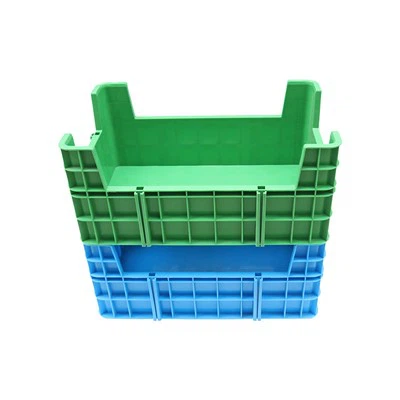
Whether you need a single small crate for your personal jewelry or a set of stacked crates for inventory, reach out to our team to discuss your needs. We can walk you through the best options, share hacks from our customers who’ve successfully used our crates for jewelry storage, and help you find a solution that works for your space and budget. Don’t let messy, damaged jewelry hold you back—folding crates are a versatile, affordable option that’s perfect for this use case when you do it right.
Folding Crate References
- Jewelry Storage Best Practices. Jewelers of America.
- Material Science of Folding Crates for Consumer Storage. Journal of Retail and Industrial Packaging, 2021.
- Tarnish Prevention for Fine Jewelry: A Guide for Home Collectors. Gemological Institute of America, 2022.
- Small Business Storage Solutions for Craft Sellers. Etsy Small Business Resource Hub, 2023.
Shanghai Qusheng Plastics Co., Ltd.
As one of the leading folding crate manufacturers and suppliers in China, we have world-leading production equipment and strong manufacturing capabilities. Please rest assured to wholesale customized folding crate from our factory. For quotation, contact us now.
Address: No.85 Hengtang Road, Huaqiao Town, Kunshan City, Jiangsu Province
E-mail: Totepallet-inquiry@plastic-crate.com
WebSite: https://www.totepallet.com/
