Hey everyone, and welcome back to the backyard spot where we break down all the real, no-BS stuff about keeping your outdoor gear from dying way before its time. If you’re reading this, chances are you’ve got an outdoor table you love—maybe you spend weekends grilling on it, sipping iced coffee on lazy mornings, or hosting impromptu game nights with friends. But let’s be real: that same sun that makes your patio feel like a vacation is also the number one enemy of your outdoor furniture. Over months of harsh UV rays, that once-gorgeous table could start fading, warping, cracking, or becoming so brittle you can’t set a plate on it without worrying it’ll split. Outdoor Table
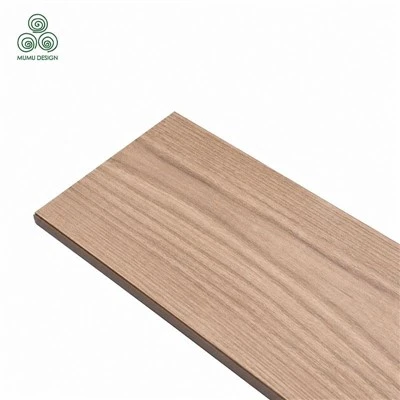
As an outdoor table supplier, I talk to customers every single week who come to us with horror stories: their solid teak table went from a rich honey brown to a chalky gray mess in one summer, their aluminum tabletop got so hot they couldn’t put a down bowl on it, and their plastic resin table started peeling like a sunburnt shoulder. The worst part? Most of these issues aren’t inevitable. A little bit of know-how and regular care can make your outdoor table last for years—way longer than you’d expect if you just leave it out to fend for itself. Today I’m pulling back the curtain on the science-backed tricks I’ve learned working with different table materials, the common mistakes people make, and the small, actionable steps that actually work. No fancy jargon, no overpriced “magic” products—just stuff that’s tested in real backyards, patios, and balconies all over the place.
First off, let’s get one thing straight: not all outdoor tables are the same, and their sun protection needs change depending on what they’re made of. I sell tables in four main material types, and each has its own sun-related weaknesses. Let’s break them down quick, because if you skip this part, you’re wasting your time.
Starting with solid wood tables—usually teak, cedar, or pine. Teak is the fan favorite for a reason; it’s naturally resistant to rot and insects, thanks to those natural oils it produces. But those same oils are what keep it from fading. When UV rays hit teak, they break down those oil molecules over time. You won’t notice it right away, but after 6-12 months, that deep brown will start to turn silvery gray. That’s not necessarily a sign of damage, but it means the wood’s natural protection is gone, and it’s more vulnerable to cracking if it gets wet and then dries too fast. Cedar is softer than teak, so it fades even quicker, usually by the end of the first summer. Pine is super affordable, but it’s the worst for sun exposure—its soft grains dry out fast in the sun, leading to tiny cracks on the surface that let moisture in, which leads to rot later on.
Next up, metal tables. Most of these are either aluminum or steel. Aluminum is lightweight and rust-resistant, but it’s really good at absorbing heat. I’ve had customers text me saying their aluminum table gets so hot in the middle of summer that you can’t set a cold drink down without it sweating off in 2 minutes, and actually, extreme heat can warp aluminum over time if it’s constantly exposed to 100+ degree weather. Steel tables are usually powder-coated for rust protection, but that powder coat is thin—UV rays break down the paint’s chemical bonds, leading to chips and peeling that let rust set in under the surface.
Then there’s plastic resin and wicker tables. These are super popular for balconies because they’re lightweight and affordable, but they’re also the most prone to fading. UV rays break down the plastic’s pigments, turning once-vibrant red, blue, or green tables into a pale, washed-out version of their former selves. If you get a really cheap plastic resin table, it might even get brittle after a year, so moving a chair or setting a heavy planter on it could crack the frame.
Last but not least, concrete and stone tables. These are the heavy-duty, long-lasting ones, right? Wait—kind of. Concrete is porous, so when water gets into the tiny cracks in the concrete, then freezes (if you live in a cold climate) or evaporates in the sun, it can expand and contract, leading to cracks. Also, concrete stains really easily from food, drinks, and even sunscreen, and the sun can make those stains set in permanently if you don’t clean them off fast.
Okay, so now that we know what we’re dealing with, let’s get to the actual solutions. I’m not going to list a bunch of random hacks—these are all the ones I recommend to my wholesale customers and the ones that I’ve seen work for 90% of the people I talk to. Let’s start with the most effective, which is shade.
Shade is non-negotiable if you want your table to last. The sun’s UV rays are strongest between 10 a.m. and 4 p.m., so even a few hours of unprotected sun every day adds up fast. But not all shade is created equal. A big oak tree is awesome, but not everyone has space for that. If you have a patio, a retractable patio umbrella is your best bet, but here’s the thing—most people buy the cheapest umbrella they can find, and that’s a mistake. I only recommend umbrellas that are UV-protective, usually rated UPF 50+. UPF stands for Ultraviolet Protection Factor, and UPF 50 means it blocks 98% of UV rays. Regular fabric umbrellas don’t have that coating, so they’ll fade along with your table, and in a few years, they won’t block any sun at all. Also, make sure the umbrella is weighted properly! Nothing’s worse than coming home to find your $80 table and $20 umbrella on the lawn during a summer storm. If you’re using a base, fill it with sand instead of water—water expands when it freezes in cold weather, and that can crack the base. Sand is heavier, more stable, and doesn’t freeze.
Another shade option is a pergola or a patio awning. A pergola with a fabric top works great—you can get retractable fabric panels that you pull closed during the hottest parts of the day, or leave them open when you want sun. Awnings are even easier, and they’re attached to your house, so they take up less space. Just make sure whatever shade structure you get is installed properly—wobbly posts or a flimsy awning won’t do squat for your table, and they could even become a hazard in strong winds.
If shade isn’t an option (like if you have a small balcony with no room for an umbrella), the next best thing is a table cover. Wait, but not just any table cover. A lot of people buy a cheap plastic cover from the home store, and that’s another mistake. Plastic traps moisture inside, so if you leave your table covered all day while it’s hot, the moisture can get stuck under the cover, leading to mold, mildew, and even wood rot. Instead, you want a breathable, UV-resistant cover. Look for covers made from polyester or polypropylene with a UPF rating, and make sure they have vents on the sides—those vents let air circulate, so no moisture gets trapped. Also, make sure the cover is the right size for your table. A cover that’s too big will blow around in the wind and scratch your table, and a cover that’s too small won’t fully protect the edges. Pro tip: if you’re only leaving your table uncovered for a few hours a day, a cover works great, but if you live in a really sunny climate year-round, combining a cover with shade is way better.
Now, let’s talk about materials-specific care, because that’s where most people go wrong. Remember earlier when I said solid wood tables fade? The fix for that is sealing or staining. For teak tables, you can let it gray naturally if you like that weathered look—it’s not damaged, just aesthetic. But if you want to keep that golden brown, you need to use a teak sealer every 6-12 months. Teak sealer protects the natural oils from breaking down in the sun, and it also makes the wood water-resistant. For cedar or pine tables, use a penetrating oil stain, not a thick paint or varnish. Varnish chips and peels way too fast in the sun, and paint traps moisture. Penetrating oil sinks into the wood, so it protects it from UV rays and water without peeling, and it adds a subtle color that keeps the wood from fading. Just make sure you sand the wood lightly every year before reapplying— that removes any old, worn-down stain so the new one adheres properly.
For metal tables, the big things are heat and rust. To prevent heat buildup, I recommend a table pad or a placemat for outdoor use. These are usually made of heat-resistant silicone or neoprene, and they cut down on the table surface temperature by 20-30 degrees, which makes it way more comfortable to use. For rust prevention (especially on steel tables), every 1-2 years, clean the table with a mild detergent and water, dry it completely, then reapply a powder coat touch-up paint if there are any chips. For aluminum tables, you don’t need to paint them, but you should clean them every few months with a metal cleaner to remove dirt and sunscreen residue, which can eat away at the finish over time.
Plastic resin tables? The key here is to prevent fading and brittleness. Avoid placing the table in direct sun as much as possible (hence that shade we talked about), and use a UV-protective plastic cleaner every few months—these cleaners have additives that protect the plastic pigments from breaking down. If your table does start to fade, you can use a plastic restorer, which will bring back a lot of the original color without repainting the whole thing. And never drag chairs across the plastic table— that scratches the surface, and scratches are the perfect place for UV rays to break down the plastic faster.
Concrete and stone tables are low-maintenance, but they’re not invincible. To prevent stains, seal them every 2-3 years with a penetrating concrete sealer. This sealer goes deep into the concrete pores, so spills like wine or sauce don’t soak in and set permanently. If you do get a stain, treat it right away with a concrete stain remover—don’t wait a week, because the longer it sits, the harder it is to get out. Also, concrete expands and contracts with temperature changes, so if you live in a climate with big temperature swings, don’t put heavy planters or furniture on the table that could put pressure on the surface when it expands.
Now, let’s go over the common mistakes I see all the time, because even if you do all the right steps, skipping these can ruin your table. First mistake: leaving your table uncovered 24/7. I get it, you’re busy, and sometimes you forget, but constant sun exposure is the fastest way to damage. Even a cover every night can help, because that cuts down on the daily UV exposure. Second mistake: using the wrong cleaning products. Bleach or harsh household cleaners might seem like they’ll get your table super clean, but they break down finishes on wood, metal, and plastic way faster than sun does. Stick to mild dish soap or products made specifically for outdoor furniture. Third mistake: ignoring small issues. If you see a tiny crack in the wood or a chip in the metal, fix it right away. If you wait, that crack will get bigger, and rust or rot will set in, costing you way more to fix than if you dealt with it when it was small. Fourth mistake: not securing umbrellas. I can’t tell you how many times I’ve had a customer come buy a new table because their umbrella blew over in a storm and knocked the table onto the patio, chipping the edge. Invest in a good umbrella base, and take the umbrella down if a strong storm is coming— it’s not worth risking your table (or worse, your house).
Here’s a quick, actionable checklist you can pull out and use tonight, so you don’t have to remember all of this:
- Check your table’s material (wood, metal, resin, concrete) to know its specific needs.
- Add shade: either a UV-rated umbrella, retractable awning, or use existing tree shade.
- If shade isn’t an option, get a breathable, UV-resistant cover with vents.
- Every 3-6 months, clean your table with mild soap and water, and address any small chips or cracks.
- Reapply sealant/stain (for wood) or touch-up paint (for metal) every 1-2 years.
- Don’t use harsh cleaners, dragging furniture, or leaving heavy items on your table.
At the end of the day, your outdoor table is an investment. Whether you spent $100 or $1,000 on it, taking care of it will make it last for 5, 10, even 15 years, which is way better than having to replace it every 2 years. I’ve been selling outdoor tables for 8 years now, and the customers who stick around and buy from me again and again are the ones who do these small, consistent things. They don’t need fancy gadgets or a huge budget— just a little bit of attention.

If you’re in the market for a new outdoor table, or if you want to chat more about protecting the one you already have, feel free to reach out. I’m happy to walk you through the best options for your patio, balcony, or backyard, and answer any questions you have about keeping your table looking its best for years. Don’t wait until your table starts fading to take action— a little care now saves a lot of hassle later.
Shou Sugi Ban REFERENCES
- Outdoor Furniture Maintenance Guide, American Society of Landscape Architects, 2022
- UV Protection Textiles: Testing and Performance, Textile Institute, 2021
- Wood Preservation for Exterior Applications, Forest Products Laboratory, USDA, 2020
- Metal Corrosion Prevention for Outdoor Structures, National Association of Corrosion Engineers, 2023
- Plastic Durability in Outdoor Environments, Society of Plastics Engineers, 2022
Dongguan Mumu WoodWork Co., Ltd.
As one of the most professional outdoor table manufacturers and suppliers in China, we also support customized service. Please feel free to wholesale bulk high quality outdoor table for sale here from our factory. Good service and low price are available.
Address: Room No.2602-2603, Unit 9B, Universal Commerce Center, Nancheng District, Dongguan City, Guangdong Province, China,523073
E-mail: sales@mumu-ing.com
WebSite: https://www.mumuthermowood.com/
