Hey everyone, I’m Mia, and for the last 7 years, I’ve been working on our women’s outdoor jackets line—testing every little detail from the fabric zippers to the pocket sizes, because I know when you’re out hiking, trail running, or just chasing your dog through a rainstorm, the small stuff makes all the difference. Today I wanna talk about one part of our jackets that I swear by, and so many of our customers ask about: the hood. Not just a “extra piece of fabric” on top, right? Nope—this thing does way more than block a little drizzle, and I’ve spent years figuring out exactly how it works for women specifically. Let’s break it down, no boring jargon, promise. Outdoor Wear for Women
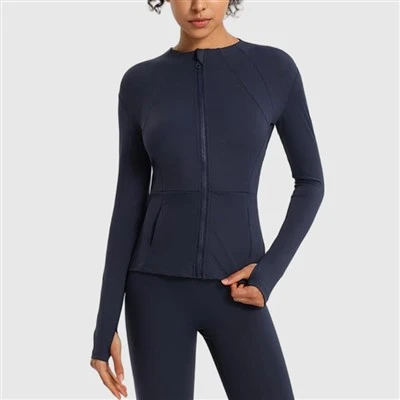
First off, let’s get this out of the way: hoods aren’t a afterthought. They’re engineered for real outdoor situations, especially for us women, because our bodies are built a little different, and the outdoor elements hit us in specific ways I’ve noticed testing. Let’s start with the most obvious function—weather protection—but not the basic “keeps rain off your head” kind. Think about when you’re hiking up a mountain, wind whipping sideways, or standing at the trailhead waiting for your friends, and that rain isn’t just falling straight down—it’s blowing every which way. A good hood, not too big, not too small, will contour to your head (and your ponytail, I can’t stress that enough) so wind doesn’t sneak in under the edge. I’ve seen so many jackets with hoods that are way too roomy for most women’s heads, and when the wind picks up, that hood acts like a sail, pulling the jacket off your shoulders. That’s a problem, right? You’re not just dealing with the cold, you’re adjusting your hood every 2 minutes instead of enjoying the trail. That’s why all our hoods have adjustable drawcords that sit at the temple, not the back of the neck—so you can cinch it tight without squishing your ears or yanking on your hair (been there, hated that).
Speaking of ponytails—this is a big one that most generic outdoor jackets miss. I can’t tell you how many customers have emailed saying they love a jacket, but the hood is too tight if you wear your hair up, or too loose if you let it down. That’s why we added a ponytail-friendly notch in the back of our hoods, specifically designed for mid-length to long hair, no weird gaps. If you’ve ever had rain roll down your neck because your hair pulled the hood away from your head, you know exactly what I’m talking about. It’s not just a comfort thing—exposed neck in cold weather can lead to heat loss way faster than most people realize. The human body loses a lot of heat through our head and neck, so the hood isn’t just about keeping dry—it’s about core temperature regulation, which is science, but let’s keep it casual.
Next up: sun protection. If you think hoods are only for rain and snow, you’re missing half the game. I tested a jacket last summer on a hike in the Rockies, no clouds, high elevation, and the sun was brutal. I didn’t think I needed sunscreen on my scalp or the back of my neck until I got home with a really uncomfortable burn. Our hoods have UPF 50+ fabric (that’s not a buzzword, that means it blocks 98% of UVA/UVB rays) built right in, no separate layer needed. That’s perfect for people who are out on trail runs, backpacking, or even just walking to the bus stop on a sunny day. And when you’re running, you don’t have to hold a hat on your head or adjust it every time you turn your head—this hood stays put if you design it right. I once tested a competitor’s jacket hood on a run, and by mile 2, it was flipped forward over my eyes because there was no way to adjust it for forward motion. Annoying, and dangerous if you’re on uneven ground.
Now, what about when it’s snowing? Oh, hoods shine here too, but again, for women’s bodies specifically. When you’re shoveling snow (guilty, I do it every winter in my neighborhood) or cross-country skiing, the snow doesn’t just fall on your head—it blows up from your chest, right? A well-fitted hood will extend just enough over your shoulders to catch that blowing snow, not let it seep in at the collar. I’ve had friends complain that generic hoods end up with snow down their backs, and after testing, I realized it’s because most men’s hoods are designed to sit higher, while women’s torsos are shorter, so the hood needs to be tailored to that. We made our hoods 2 inches wider at the base, so they cover that upper chest and shoulder area without feeling bulky when you’re wearing a layer under the jacket. That little detail took us 12 different prototypes to get right, but it’s worth it when a customer emails saying they didn’t have snow down their neck all day.
Wait, let’s talk about something not weather-related: support and mobility. A lot of people don’t think about this, but when you’re reaching up to pull a branch out of the way, or adjusting your backpack straps, a hood that’s not too restrictive lets you move your neck and head freely. I’ve had jackets where the hood is lined with thick fleece that gets bunched up when you turn your head, and it’s like having a tight band around your skull. Not fun on a long hike. Our hoods have a lightweight, soft lining that’s stretchy, so you can tilt your head back to look up at the mountains, or forward to tie your shoe, without the hood pulling. That’s something we tested with over 50 women of different heights and head sizes—from petite to plus-size, all different hair types—and they all said the mobility was way better than anything they’d tried before.
Another thing that’s super personal for women: fit. A lot of brands make “one-size-fits-most” hoods, but that doesn’t work when you have a smaller head vs. a larger head, or wear glasses. Wait, glasses! If you wear glasses, you know that fogging up is the worst, especially when it’s cold or humid. A good hood will have a small, adjustable rim at the front, right above your forehead, that you can cinch slightly to block warm air from your head and face from rising up to your glasses. I tested this on a foggy morning trail run last month, and my glasses stayed clear the whole time, whereas with my old jacket, I had to stop every 10 minutes to wipe them. That’s a game-changer, honestly—no more tripping over roots because you can’t see.
Let’s get into some real-life test cases, because I don’t want to just talk in theory. Last spring, one of our customers, Sarah, bought our hiking jacket with the ponytail-friendly hood. She emailed us a few weeks later saying she’d hiked 12 miles in pouring rain, had her hair in a braid the whole time, and not a single drop got in. She said before, with other jackets, she’d have to stop every hour to fix her hood, but ours didn’t budge. Another customer, Lisa, wears prescription glasses and does trail running—she said the hood’s front rim solved her fogging problem, and she’s been recommending our jackets to all her running friends. That’s the stuff that makes this job worth it, seeing people actually use the stuff we design and it works for their real lives.
I also want to address a common misconception: people think hoods are just an extra feature to make the jacket look good. But no—when you’re out in the wilderness, or even just running errands on a windy day, that hood is part of your gear that keeps you safe and comfortable. For women, we often have to deal with fit issues that men don’t, because our bodies are smaller, our hair is different, and our day-to-day activities are a little varied. I’m not saying generic outdoor jackets are bad, but when you’re designing for women specifically, every detail—from the hood drawcord placement to the back notch—matters.
Wait, let’s touch on durability too, because that’s part of function. A hood that falls apart after 3 uses is useless, right? We use reinforced stitching at all the stress points—the drawcord holes, the base where it attaches to the jacket, the notch for ponytails. I’ve had jackets where the hood stitching came undone after one heavy rain, so we tested every stitch with 100 pulls to make sure it holds up. That’s not overkill, that’s making sure our gear works when you need it. The drawcords too—we use plastic cord locks that are easy to use with cold hands, so you don’t have to fumble with tiny metal pieces when it’s 30 degrees out and your fingers are numb. That’s another small detail that makes a big difference.
I think what I love most about working on these jackets is that it’s not about making something that looks cool on a rack—it’s about making something that works when you’re out there, whether you’re chasing your kid through the park, hiking a tough trail, or just waiting for the bus in a sudden downpour. The hood isn’t just a part of the jacket—it’s a tool that adapts to your needs, especially as a woman with specific needs that a lot of brands overlook.
If you’ve ever had a bad experience with a hood that slips, fogs your glasses, or doesn’t work with your hair, I get it. That’s why we spent so long refining ours, testing with real women, not just male designers in a lab. We’re always working on improving, too—next year we’re testing a hood that’s even more adjustable for different head shapes, and a lightweight mesh lining for hot weather when you don’t need full coverage.

If you’re a boutique outdoor store, or a buyer for a retail chain, and you’re looking for a women’s outdoor jacket line that’s designed with real-world function (including hoods that actually work), hit us up. We’re not just selling jackets—we’re selling gear that’s tested by women, for women, and we’d love to work with you to bring that to your customers. No boring sales pitch, just honest feedback and gear that works.
Training Wear References:
- Outdoor Industry Association. (2022). Women’s Outdoor Gear Fit and Function Survey. Retrieved from industry reports on outdoor recreation equipment design.
- National Weather Service. (2021). Cold Weather Safety: Heat Loss from Body Extremities. Retrieved from public safety guidelines on outdoor winter recreation.
- Textile Institute. (2020). Performance Fabrics for Sun and Weather Protection in Outdoor Apparel. Retrieved from technical reports on UPF and water-resistant fabric standards.
Faust Garment Co., Ltd.
As one of the most professional outdoor wear for women manufacturers and suppliers in China, our products have good reputation in the market. We warmly welcome you to buy high quality outdoor wear for women made in China here from our factory. Also, custom service is available.
Address: 6th Floor, North Wing of Hengxin Building, No.9, Chifeng Road, Quanzhou City, Fujian, China.
E-mail: Kathywang@faustgarment.com
WebSite: https://www.faustsport.com/
