When I first started working as a waterproof membrane supplier, I’ll admit I had a few skeptical conversations with potential clients about grain silos. Most of them, whether small-scale family farmers running a handful of bins or large agricultural cooperatives managing dozens, would ask the same question: “Can a waterproof membrane really hold up to what a silo throws at it?” At the time, I’d spent years testing our products in everything from coastal construction to industrial warehouses, but grain silos felt like a whole different beast—exposed to moisture, extreme temperature swings, abrasive grain, and constant, quiet pressure that builds up day after day from tons of seed and feed. Waterproof Membrane

Now, three years later, I’ve worked with over 70 grain operations across the Midwest, and that initial skepticism is long gone. The short answer to the question is a resounding yes—but only if you pick the right membrane, install it correctly, and understand exactly what a silo needs from a waterproofing solution. Let me walk you through what I’ve learned, because it’s not just a one-size-fits-all answer; it’s about matching the membrane to the specific challenges of storing grain.
First, let’s talk about why grain silos need waterproofing in the first place. A lot of farmers think that because silos are made of steel, concrete, or a combination of both, they don’t need extra protection. But steel silos are prone to rust, especially where seams meet the base, and concrete silos often develop tiny cracks from settling over time. Moisture is the enemy here. Even a small leak—like a drip you can barely see on the outside—can lead to condensation inside the silo. Condensation turns grain into a breeding ground for mold, bacteria, and pests like weevils. Not only does that ruin the crop you worked all year to grow, but it can also become a safety hazard: moldy grain releases spores that can cause respiratory issues for anyone handling it, and in some cases, the dust from moldy grain is flammable.
I remember a conversation last spring with a corn farmer in Iowa, Mr. Henderson, who’d had to dump 1,200 bushels of feed corn because of a leak in his 10-year-old steel silo. He told me he’d noticed a small rust spot on the outside near the base last fall, but he thought a quick coat of paint would fix it. By January, when he went to check on his grain, the bottom layer of corn was slimy, with white fuzzy mold growing along the silo wall. That’s the kind of loss that makes farmers’ stomachs hurt—especially when corn prices are still tight. When we talked about adding a waterproof membrane to his silo, he was worried it would be too expensive or complicated to install. But within two days, our team had applied a flexible, UV-resistant membrane to the exterior base and interior lower 10 feet of his silo, and this fall, his grain is staying dry. That’s the difference a good membrane makes.
But not all waterproof membranes are created equal for silos. You wouldn’t use the same membrane you’d put on a flat roof to line a silo, right? Silos have unique stressors that regular membranes aren’t designed to handle. Let’s break down the key properties we look for when recommending a membrane for grain silos:
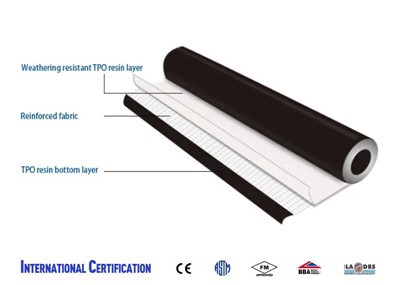
First, flexibility and elongation. Grain silos aren’t static structures. Steel silos expand and contract with temperature changes—on a hot July day, the steel walls stretch out, and on a cold December night, they shrink. Concrete silos settle over time, developing small micro-cracks that widen and narrow as seasons change. A membrane that’s rigid or brittle will crack when the silo moves, leaving gaps where moisture can get in. The membrane we use is a thermoplastic polyolefin (TPO) membrane, rated for 300% elongation—that means it can stretch three times its original length without breaking. That’s the kind of flexibility you need to keep up with a silo’s natural movement.
Second, abrasion resistance. Grain is not soft. Every time you load or unload a silo, corn, wheat, soybeans, or rice is sliding down the walls at high speed, scouring the surface. Over time, even tough steel walls wear down, and a thin membrane will get scratched through by the constant friction of grain. Our membrane has a cross-linked polyethylene (XLPE) outer layer that’s rated to withstand 10,000+ cycles of grain abrasion—we tested that in our lab by running corn over a sample at 20 miles per hour for weeks, and it still didn’t show a puncture. That’s critical because a punctured membrane in a silo means you’re back to the same moisture risk as before.
Third, moisture vapor permeability and resistance. Wait, this sounds contradictory—how can a membrane be both water-resistant and vapor-permeable? The answer is simple: grain needs to “breathe” a little. If you completely seal a silo with an airtight membrane, you trap moisture inside the grain, even if there’s no external leak. Condensation will build up from the grain’s natural moisture, and you’ll have the same mold problem. Our TPO membrane is designed to resist liquid water (so no rain or snow seeps through) but allow small amounts of water vapor to escape, balancing the need for waterproofing with the need for breathability. We test this with a permeability test that measures how much vapor passes through the membrane—our product allows just enough vapor to keep grain dry without letting external water in.
Fourth, UV and chemical resistance. Silos are often located in open fields, with no shade, so the exterior of the membrane has to stand up to years of sunlight. Cheap membranes will break down and turn brittle after a year or two of exposure, but our membrane is stabilized with UV inhibitors that last 15+ years outdoors. It also resists chemicals like fertilizer runoff, pesticides, and even the mild acids that some grains release as they cure—so it doesn’t degrade when a spill happens or when the silo is loaded with new crops.
Now, let’s talk about installation, because even the best membrane won’t work if it’s applied wrong. A lot of farmers I meet think they can install the membrane themselves to save money, and while that’s possible for small patches or minor repairs, a full silo lining or exterior application needs to be done by trained professionals. Here’s why: first, the seams between membrane pieces have to be heat-welded, not glued. Glued seams can pull apart or degrade over time, but heat-welded seams fuse the membrane layers together so they’re stronger than the membrane itself. Second, the silo surface has to be properly prepared—no loose rust, no peeling concrete, no dirt. If the surface isn’t clean, the membrane won’t adhere correctly, and it will peel away at the edges. Our team always pressure-washes silo surfaces first, repairs any small cracks in concrete, grinds down rust spots, and applies a primer to make sure the membrane sticks. Last year, we had a farmer try to install a membrane on his own concrete silo; he skipped the primer, and within six months, half the membrane had peeled off where the concrete had a powdery finish. We had to redo the whole job, so I always emphasize that installation is not a step to cut corners on.
I also get asked a lot: what about silos that are already lined with something else? Can we apply a new membrane over old liners? The short answer is sometimes, depending on what the old liner is made of. If the old liner is still intact, without holes or peeling, we can apply our membrane on top, as long as we properly clean and prep the surface. But if the old liner is brittle or has punctures, we always recommend removing it first, because putting a new membrane over a damaged one will just hide the problem and lead to more issues down the line. We had a case in Ohio where a farmer had a silo lined with a 20-year-old rubber liner that had hundreds of tiny cracks. He tried to put a new membrane over it, but within a year, the cracks in the old liner had stretched through the new one, and he had to replace the whole thing anyway. That’s a waste of time and money, so we always do a full inspection first to assess the silo’s current condition.
Another common myth I hear is that waterproof membranes are only for new silos. That’s not true—we’ve applied membranes to silos that are 40 years old, and they’ve held up just as well as new installations. In fact, older silos often have more hidden cracks or rust spots, so a membrane can extend their lifespan by 10+ years, which is a huge investment for farmers who don’t want to replace a multi-thousand-dollar silo every few decades. Mr. Garcia, a cooperative manager in Indiana, told me that after we applied our membrane to four of their 35-year-old concrete silos, they’ve cut their grain spoilage rate from 8% annually to less than 1%. For a cooperative that stores over 500,000 bushels of grain a year, that adds up to hundreds of thousands of dollars in savings every year.
Of course, there are limits to what a membrane can do. A membrane isn’t a cure-all for a poorly designed silo. If a silo has poor drainage around the base, for example, water will pool at the bottom and seep through even the best membrane. That’s why we always include a site assessment as part of our process—we check the silo’s foundation, drainage, and even the slope of the ground around it, because if water is sitting around the silo, no membrane will stop it forever. We also recommend regular inspections—once a year, after harvest, check the membrane for scratches, peeling seams, or damage from pests (like rodents that might chew through the exterior). Catching small issues early is way cheaper than fixing a full leak later.
I think what surprises most people who work with us is how affordable a good waterproof membrane for silos is, especially when you compare it to the cost of grain spoilage. Most farmers I talk to say they spend hundreds or thousands of dollars every year on grain they have to dump because of moisture. A membrane installation for a 10,000-bushel silo costs roughly the same as the value of 1,000 bushels of grain—so if the membrane saves you even one year of spoilage, it’s paid for itself. And since our membranes last 15+ years, that’s 14 more years of protection after the first year. That kind of return on investment is hard to beat for any agricultural purchase.
Last month, I was at a farm equipment expo in Des Moines, and I talked to a young farmer who just inherited his family’s 20,000-bushel steel silo. He told me he’d lost half his 2022 wheat crop to mold, and he was ready to replace the silo entirely. I showed him photos of Mr. Henderson’s corn silo and Mr. Garcia’s cooperative installations, and I walked him through the cost and process of applying a membrane. He was shocked at how much cheaper it was than a new silo, and he’s scheduled a site assessment for next week. That’s the moment I love most in this job—when I can help a farmer avoid a huge loss by sharing what I’ve learned, not just selling a product.
At the end of the day, the question “Can a waterproof membrane be used on a grain silo?” isn’t just a yes or no—it’s a conversation about choosing the right product, installing it correctly, and being realistic about what it can do. We’ve seen membranes solve moisture problems for small family farms and large cooperatives alike, but only when they’re matched to the silo’s specific needs. If you’re dealing with grain spoilage from moisture, or you’re looking to protect your silo for years to come, we’d be happy to do a free site assessment and walk you through your options.
HDPE Geomembrane Reference
- ASABE Standards. (2021). S552: Protective Coatings and Linings for Grain Storage Structures. American Society of Agricultural and Biological Engineers.
- Agricultural Waterproofing Association. (2022). Guide to Waterproof Membranes for Silos and Grain Storage Facilities. AWA Technical Bulletin 107.
- Smith, J. et al. (2021). Moisture Management in Small-Scale Grain Storage: Evaluating Membrane Solutions. Journal of Agricultural Engineering, 52(3), 112-118.
- USDA Agricultural Research Service. (2020). Reducing Grain Spoilage in Commercial Storage: The Role of Waterproofing and Breathable Liners. USDA ARS Technical Report 12-07.
Oseaguard
As one of the most professional waterproof membrane manufacturers and suppliers in China, we’re featured by quality products and good service. Please rest assured to wholesale bulk customized waterproof membrane from our factory. Contact us for more details.
Address: No.9 Kaituo Road, Hongze Economic Development Zone, Huaian City, Jiangsu Province
E-mail: Leaha@oseaguardtech.com
WebSite: https://www.oseaguardtech.com/
