If you’ve ever stood in a grocery store checkout line, eyeing the plastic-wrapped produce boxes, the styrofoam takeout containers that crack at the slightest pressure, and the single-use plastic bags that fly off the roll, you’ve probably wondered: are there any eco-friendly food boxes that actually work? As someone who’s spent the last 7 years running a small, family-focused food box supply business, I’ve answered this question a thousand times—most of them from local cafes, meal kit companies, and even small farm stands tired of watching their waste bills climb and their customers ask for greener options. Let me break this down honestly, because the answer isn’t a simple “yes” or “no.” It’s a complicated, nuanced conversation about what “eco-friendly” really means, and how to find food boxes that don’t just feel good on a label, but hold up in the real world. Food Box
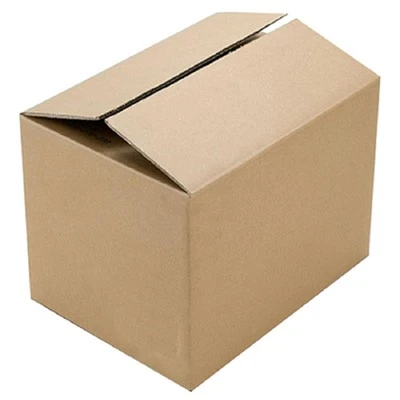
First, let’s get one thing straight: the term “eco-friendly” is overused, and a lot of brands slap it on packaging that doesn’t actually do much for the planet. When I started this business back in 2017, I made the mistake of buying a batch of so-called “compostable” food boxes from a wholesale supplier that promised zero waste. We tested them with a local salad shop that used them for takeout, and within three days, every single box had turned soggy in the fridge, leaked dressing all over customers’ bags, and when we tried to compost them at the city’s municipal compost facility, the staff told us they were lined with a plastic coating that couldn’t break down in their process. That experience taught me that eco-friendly food boxes have to pass three big tests: they have to meet a business’s practical needs (no leaking, no sogginess, hold up during shipping or takeout), they have to actually be recyclable or compostable in real-world conditions (not just a lab), and they have to have a lower carbon footprint than traditional plastic or styrofoam alternatives.
So what types of eco-friendly food boxes actually pass those tests? Let’s start with the most common options, and be honest about their pros and cons. The first one I’ll mention is molded fiber food boxes, usually made from recycled paper or agricultural waste like wheat straw, sugarcane bagasse, or even palm leaves. I started working with molded fiber boxes in 2018, switching my entire catalog over to wheat-straw based ones after that first failed test. Wheat straw is a byproduct of wheat farming—most of it gets burned or left to rot in fields, so using it for packaging keeps that waste out of the environment. These boxes are stiff, hold up to hot and cold food, and most importantly, they’re compostable in municipal facilities (as long as they’re not contaminated with grease, which is a big rule to follow). The downside? Molded fiber can be a bit more expensive than basic styrofoam, and if you’re shipping food long distances, they’re a little heavier than plastic, which can add to shipping emissions. But for local cafes, meal kit services that deliver within 50 miles, or farm stands selling pre-packaged vegetables, they’re a solid choice. We’ve had regular customers who run salad and sandwich shops tell us their customers actually prefer the texture and look of wheat-straw boxes—they feel more natural than plastic, which is a small but important detail for people who care about sustainability.
Next up, there are plant-based plastic boxes, made from materials like PLA (polylactic acid) derived from corn starch or sugarcane. A lot of people love these because they look almost identical to traditional plastic food boxes, so they fit into existing storage and packaging workflows without requiring businesses to change how they operate. The catch with PLA, though, is that it only composts in industrial compost facilities that reach very high temperatures (around 140°F/60°C)—it won’t break down in your backyard compost bin, and most municipal compost programs don’t accept it because it can contaminate other compost loads. A few years ago, we had a customer who switched to PLA boxes because they thought they were “zero plastic,” only to find out their local compost center wouldn’t take them, so they were ending up in landfills anyway. For businesses that send their packaging to industrial compost facilities (most cities that have large-scale compost programs now do offer this), PLA works, but it’s not a one-size-fits-all solution. That’s why we don’t push hard on PLA boxes to customers unless we know their local waste infrastructure can handle them—there’s no point in choosing a “green” option that’s just going to end up as waste.
Then there are reusable food boxes, which I think is the most underrated eco-friendly option, even though it requires a bit more effort from both businesses and customers. Reusable boxes are usually made from stainless steel, glass, or BPA-free plastic, and they’re designed to be used over and over again—some of our customers have had the same set of reusable boxes for 5 years now, cutting out hundreds of single-use boxes from landfills every year. The best part is that over time, reusable boxes have a much lower overall carbon footprint than single-use options. A 2022 study from the University of California, Santa Barbara, found that a stainless steel reusable food box needs to be used at least 10 times to have a lower carbon footprint than a single-use plastic box, and after 50 uses, its footprint is almost 90% lower. The downside, though, is that reusable boxes require a system: if you’re a meal kit company, you need a way to collect them from customers, clean them, and return them to the kitchen. If you’re a small cafe, you might need to offer a discount to customers who bring their own boxes, or have a deposit system for takeout. We work with a lot of small businesses that pair reusable and single-use eco-friendly boxes: for dine-in or local takeout, they offer reusable boxes for a small deposit, and for delivery, they use molded fiber or sugarcane boxes. It’s a middle ground that works for both the business and the environment.
Wait, but what about cardboard food boxes? A lot of people assume cardboard is eco-friendly, but not all cardboard is created equal. Regular cardboard is often lined with plastic to make it grease-resistant, so it’s not recyclable or compostable. And even “uncoated” cardboard has to be sourced from responsibly managed forests—if it’s from clear-cut old-growth forests, its carbon footprint is way higher than wheat straw or other agricultural waste-based materials. That’s why we only offer cardboard boxes that are FSC-certified (meaning they come from responsibly managed forests) and uncoated, so they can be composted or recycled. I always tell customers to look for the FSC logo on any cardboard packaging, because it’s a reliable third-party check that the material isn’t contributing to deforestation.
Now, I know what some of you are thinking: all these eco-friendly boxes sound great, but are they actually affordable? For a long time, that was a big barrier—eco-friendly packaging used to cost 20-30% more than plastic or styrofoam, which was too much for small cafes and food businesses with tight budgets. But over the last 5 years, demand has grown, and production has scaled, so the price gap has closed a lot. We currently offer eco-friendly food boxes that are only 5-10% more expensive than traditional options, and for most businesses, the cost is offset by lower waste disposal fees and happier customers. We had a customer in Portland, Maine, a small sandwich shop, who told us before switching to our wheat-straw boxes, she was paying $800 a month for styrofoam and plastic, plus $300 a month to haul away the waste. After switching, her packaging costs went up by $50 a month, but her waste disposal fees dropped by $250 a month, and she got a lot of new customers who chose her over nearby shops because of her packaging. That’s the kind of win-win that makes all the testing and hard work worth it.
Of course, no eco-friendly food box is perfect, and it’s important to be honest about the drawbacks. For example, sugarcane bagasse boxes (made from the leftover pulp after sugar is extracted from sugarcane) are great, but they can be slightly porous, so if you’re packaging very wet food like soup or fruit salad, you might need a thin lining that’s compostable (there are now plant-based liners that work). And even the best compostable boxes only work if they’re disposed of properly—if someone throws a compostable box in a landfill with plastic waste, it will break down much slower or not at all, because landfills are low-oxygen environments that don’t support composting. That’s why education is just as important as the packaging itself: as a supplier, we don’t just sell boxes—we send every customer a guide on how to dispose of them, and we work with local compost programs to help customers get access to compost pickup if they don’t have it.
Over the last few years, the world of eco-friendly food packaging has come a long way, but there’s still a lot of work to do. I’ve seen new materials pop up, from mushroom mycelium-based packaging that’s even stiffer than molded fiber, to seaweed-based wrappers that dissolve in water. I’m testing a line of mycelium boxes right now for a customer that packages frozen seafood, because molded fiber doesn’t hold up well to long freezer storage. But even with all these new options, the best eco-friendly food box for a business depends on their specific needs: do they need something for hot food, cold food, frozen food? Do their customers have access to compost or recycling? What’s their budget?
At the end of the day, eco-friendly food boxes aren’t a one-size-fits-all solution, but they’re no longer a myth or a niche product. They work, they’re getting more affordable, and more and more businesses are realizing that choosing the right packaging isn’t just about checking a “green” box—it’s about keeping their customers happy, cutting their costs, and doing a small part to reduce the waste that’s choking our landfills and oceans.
If you’re a food business owner looking to switch to more sustainable packaging, or you want to learn more about the options that work for your specific needs, feel free to reach out to our team to discuss your requirements and get a customized quote. We’re here to help you navigate all the hype and find a solution that actually works for your business and the planet.
Clothing Box References
- United States Environmental Protection Agency (EPA). (2023). Sustainable Management of Food Packaging and Plastics. Retrieved from EPA’s official sustainability resources.
- University of California, Santa Barbara. (2022). Life Cycle Assessment of Reusable vs. Single-Use Food Packaging. Journal of Cleaner Production.
- Forest Stewardship Council (FSC). (2024). FSC Certification Standards for Packaging Materials. FSC International.
- Biodegradable Products Institute (BPI). (2023). Compostability Testing Standards for Food Packaging. BPI Global Certification Program.
- Food and Agriculture Organization (FAO). (2021). Agricultural Waste Utilization for Sustainable Packaging: Wheat Straw and Sugarcane Bagasse Applications. FAO Sustainable Agriculture Journal.
Dongguan Jinying Printing Co., Ltd.
As one of the most experienced food box manufacturers and suppliers in China and Vietnam, we also support custom service and OEM service. Welcome to buy bulk luxury food box at competitive price from our factory. If you have any enquiry about cooperation, please feel free to email us.
Address: No. 5, 1st Road, Jingshan Third Industrial Zone, Chashan Town, Dongguan City, Guangdong Province
E-mail: inquiry@dg-jinying.com
WebSite: https://www.gpspacking.com/
