PERT, or Polyethylene Raised Temperature, fittings have gained significant popularity in various plumbing applications in recent years. As a supplier of PERT fittings, I often come across the question: Can PERT fittings be used in potable water systems? In this blog post, I’ll delve into the characteristics of PERT fittings, evaluate their suitability for potable water systems, and discuss the advantages and considerations associated with their use. PERT Fittings
Understanding PERT Fittings
PERT is a type of high – density polyethylene that has been modified to improve its performance at elevated temperatures. Unlike traditional polyethylene, PERT can withstand temperatures up to 95°C continuously and a maximum peak temperature of 110°C. This makes it suitable for a wide range of applications, including hot and cold water supply systems.
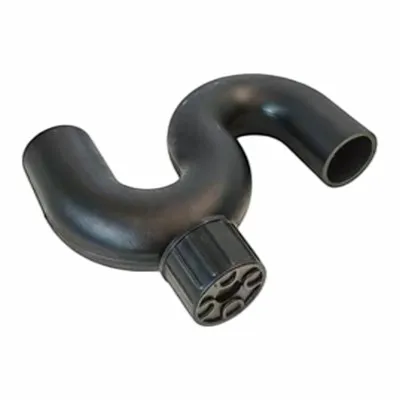
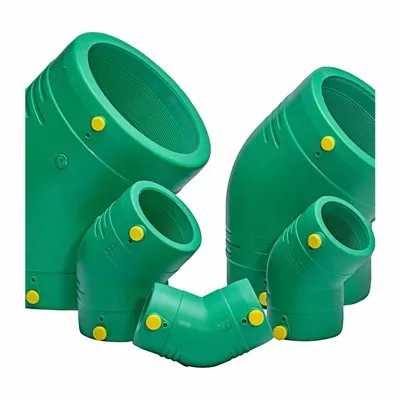
PERT fittings are typically produced through injection molding, which ensures high precision and uniformity. They are available in a variety of shapes and sizes, such as elbows, tees, couplings, and adapters, to meet different installation requirements. These fittings are designed to connect PERT pipes securely, creating a leak – free and reliable plumbing system.
Suitability for Potable Water Systems
One of the primary concerns when using any plumbing material in a potable water system is its safety for human consumption. PERT fittings are generally considered safe for use in potable water systems for several reasons.
Hygiene and Non – Toxicity
PERT is made from a non – toxic material that does not release any harmful substances into the water. It meets the relevant sanitary standards, such as the NSF/ANSI 61 standard in the United States, which certifies that the material is safe for use in contact with drinking water. The smooth inner surface of PERT pipes and fittings also prevents the growth of bacteria and other microorganisms, maintaining the quality of the potable water.
Chemical Resistance
PERT has excellent chemical resistance, which means it can withstand exposure to various chemicals commonly found in water, such as chlorine and fluorine. Chlorine is often added to drinking water as a disinfectant, and PERT fittings can resist the corrosive effects of chlorine over an extended period. This ensures the long – term integrity of the plumbing system and the safety of the potable water.
Durability
The durability of PERT fittings is another factor that makes them suitable for potable water systems. They have a long service life, typically lasting for more than 50 years under normal operating conditions. This reduces the need for frequent replacements and minimizes the risk of leaks and water contamination.
Advantages of Using PERT Fittings in Potable Water Systems
There are several advantages to using PERT fittings in potable water systems, apart from their safety.
Easy Installation
PERT fittings are easy to install, even for non – professional plumbers. They use a simple thermal fusion or mechanical connection method. Thermal fusion involves heating the pipes and fittings to a specific temperature and then joining them together. This creates a strong, permanent bond that is similar to a single piece of material. Mechanical connections, on the other hand, use compression fittings or push – fit connectors, which can be installed quickly without the need for special tools.
Flexibility
PERT pipes are highly flexible, and the fittings allow for easy bending and routing around obstacles. This flexibility reduces the number of joints required in the plumbing system, which in turn reduces the risk of leaks. It also makes the installation process more efficient and cost – effective, as less time and material are needed for installation.
Energy Efficiency
PERT has excellent insulation properties, which helps to reduce heat loss in hot water systems. This means that less energy is required to maintain the desired water temperature, resulting in lower energy costs for the consumer. Moreover, the reduced heat loss also helps to prevent the formation of condensation on the pipes, which can lead to water damage and mold growth.
Cost – Effectiveness
When compared to other plumbing materials, such as copper and stainless steel, PERT fittings are more cost – effective. The materials used in PERT are less expensive, and the installation process is quicker and requires less labor. This makes PERT an attractive option for both residential and commercial potable water systems.
Considerations When Using PERT Fittings in Potable Water Systems
While PERT fittings offer many benefits for potable water systems, there are also some considerations that need to be taken into account.
Installation Quality
The quality of installation is crucial for the performance of PERT fittings in potable water systems. If the installation is not done correctly, it can lead to leaks, joint failures, and water contamination. It is important to follow the manufacturer’s installation instructions carefully and ensure that the installers are properly trained.
Compatibility
It is essential to ensure that the PERT pipes and fittings are compatible with each other and with other components of the plumbing system. Mixing incompatible materials can lead to chemical reactions, which can affect the integrity of the system and the quality of the potable water.
Temperature and Pressure Limits
Although PERT can withstand relatively high temperatures and pressures, it is important to operate within its specified limits. Exceeding the recommended temperature or pressure can cause the pipes and fittings to deform, crack, or fail, which can result in water leaks and system damage.
Conclusion
In conclusion, PERT fittings can be safely and effectively used in potable water systems. Their non – toxicity, chemical resistance, durability, and other advantages make them a viable option for both residential and commercial applications. However, it is important to consider factors such as installation quality, compatibility, and temperature and pressure limits to ensure the long – term performance of the system.
Butt Fusion Fittings If you are considering using PERT fittings for your potable water system or have any questions about our PERT fitting products, I encourage you to reach out to us. Our team of experts is always ready to provide you with detailed information, technical support, and high – quality products tailored to your specific needs. Let’s work together to create a reliable and efficient potable water system.
References
- NSF/ANSI 61: Standard for Drinking Water System Components – Health Effects.
- International Association of Plumbing and Mechanical Officials (IAPMO) guidelines on PERT plumbing systems.
- Technical literature provided by leading PERT fitting manufacturers.
Qingdao Polyfusion Machinery Co., Ltd.
As one of the most professional PERT fittings manufacturers and suppliers in China, we have world-leading production equipment and strong manufacturing capabilities. Please feel free to buy bulk high quality PERT fittings from our factory.
Address: Chengyang Industry Zone, Chengyang, Qingdao, Shandong, China
E-mail: export01@qdpolyfusion.com
WebSite: https://www.polyfusionfittings.com/
