As a seasoned supplier in the feed pellet binder industry, I’ve witnessed firsthand the crucial role these binders play in the animal feed production process. Feed pellet binders are substances added to feed mixtures to improve pellet quality, enhance durability, and reduce dust generation. They help hold the ingredients together, ensuring that the pellets maintain their shape during handling, transportation, and storage. In this blog post, I’ll explore the common types of feed pellet binders, their characteristics, and their applications in the feed industry. Feed Pellet Binder
1. Starch-Based Binders
Starch is one of the most widely used feed pellet binders due to its abundance, low cost, and excellent binding properties. Starch can be sourced from various grains such as corn, wheat, and rice. When heated during the pelleting process, starch gelatinizes, forming a sticky matrix that binds the feed ingredients together.
- Corn Starch: Corn is a major source of starch in the feed industry. Corn starch has a high amylose content, which contributes to good binding strength. It is commonly used in poultry and swine feeds. The gelatinization temperature of corn starch is relatively low, making it suitable for pelleting processes that require lower temperatures.
- Wheat Starch: Wheat starch is another popular choice for feed pellet binders. It has a balanced ratio of amylose and amylopectin, which provides good binding and plasticity. Wheat starch is often used in ruminant feeds, as it can withstand the rumen environment better than some other binders.
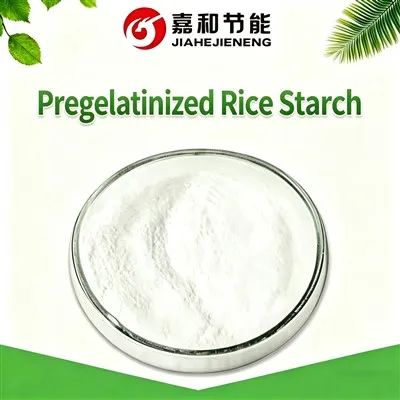
- Rice Starch: Rice starch is a high-quality binder that is easily digestible by animals. It has a fine particle size and a low gelatinization temperature, which allows for efficient binding at lower energy inputs. Rice starch is commonly used in aquaculture feeds, where high – quality binding is required to prevent feed from disintegrating in water.
The advantage of starch – based binders is their natural origin and good digestibility. However, they may be affected by moisture and storage conditions, and excessive use can lead to a decrease in feed palatability.
2. Lignosulfonates
Lignosulfonates are by – products of the pulp and paper industry. They are derived from the lignin component of wood and are available in both liquid and dry forms.
- Liquid Lignosulfonates: Liquid lignosulfonates are easy to handle and can be evenly distributed in the feed mixture. They act as a binder by forming a film around the feed particles, holding them together. Liquid lignosulfonates also have some beneficial effects on pellet production, such as reducing the friction between the feed and the pelleting die, which can increase the production rate and reduce energy consumption.
- Dry Lignosulfonates: Dry lignosulfonates are more convenient for storage and transportation. They are often used in combination with other binders to achieve optimal binding performance. Lignosulfonates can improve the hardness and durability of feed pellets, making them less likely to break or crumble during handling.
One of the main advantages of lignosulfonates is their low cost. They are also environmentally friendly, as they are derived from a renewable resource. However, they may have a slightly bitter taste, which can affect the palatability of the feed, especially at high inclusion levels.
3. Bentonite
Bentonite is a clay mineral that is widely used as a feed pellet binder. It has high swelling capacity and absorption properties.
- Activated Bentonite: Activated bentonite is treated to enhance its binding properties. When added to the feed mixture, bentonite absorbs water and expands, creating a gel – like substance that binds the feed ingredients. It can improve the pellet durability index (PDI) and reduce dust formation.
- Sodium Bentonite: Sodium bentonite is known for its high swelling capacity. It can form a strong bond between the feed particles, resulting in hard and durable pellets. Sodium bentonite is often used in cattle and horse feeds, where pellet integrity is crucial.
Bentonite is relatively inexpensive and can also improve the flowability of the feed mixture. However, excessive use of bentonite can reduce the nutrient density of the feed, as it is mainly an inert filler.
4. Molasses
Molasses is a by – product of the sugar industry and is a popular feed pellet binder, especially in ruminant feeds.
- Sugar Cane Molasses: Sugar cane molasses is rich in sugars, vitamins, and minerals. It not only acts as a binder but also improves the palatability of the feed. The sticky nature of molasses helps to hold the feed particles together, and its sweet taste encourages animals to consume more feed.
- Beet Molasses: Beet molasses also has binding properties and is commonly used in animal feeds. It has a different nutrient profile compared to sugar cane molasses, with a higher content of certain amino acids and minerals.
Molasses can increase the energy content of the feed and improve the pellet quality. However, it is hygroscopic, which means it can absorb moisture from the air, leading to clumping and spoilage if not stored properly.
5. Synthetic Binders
There are also several synthetic binders available in the market, which are designed to provide specific binding properties.
- Polyvinyl Alcohol (PVA): PVA is a synthetic polymer that forms a strong film around the feed particles. It has excellent binding strength and can improve the water resistance of feed pellets. PVA is often used in aquaculture feeds, where the pellets need to maintain their shape in water for a longer period.
- Carboxymethyl Cellulose (CMC): CMC is a cellulose derivative that is used as a binder and thickener in the feed industry. It can enhance the viscosity of the feed mixture, improving the binding of the ingredients. CMC is also biodegradable and non – toxic, making it a suitable choice for animal feeds.
Synthetic binders offer precise control over binding properties and can be customized according to the specific requirements of the feed. However, they may be relatively more expensive than natural binders.
Choosing the Right Feed Pellet Binder
As a feed pellet binder supplier, I understand that choosing the right binder depends on several factors. First, it’s important to consider the type of animal feed. For example, aquaculture feeds require binders that can provide water stability, while ruminant feeds may benefit from binders that also improve palatability.
The pelleting process parameters, such as temperature and pressure, also play a role in binder selection. Some binders work better at lower temperatures, while others can withstand higher pressures.
Cost is another important consideration. Feed producers need to balance the cost of the binder with the desired pellet quality. Sometimes, a combination of different binders can be used to achieve the best results at a reasonable cost.
Finally, the nutritional requirements of the animals should not be overlooked. The binder should not significantly reduce the nutrient content or digestibility of the feed.
Conclusion
In conclusion, there are various types of feed pellet binders available, each with its own unique characteristics and applications. Starch – based binders offer natural and digestible binding solutions, while lignosulfonates provide cost – effective options. Bentonite, molasses, and synthetic binders all have their own advantages in different feed production scenarios.

As a reliable supplier of feed pellet binders, I am committed to providing high – quality products and professional advice to help feed producers make the best choices for their specific needs. Whether you are looking to improve the durability of your poultry pellets, enhance the water stability of your aquaculture feeds, or increase the palatability of your ruminant diets, I can offer the right binder solution.
Binder If you are interested in learning more about our feed pellet binders or would like to discuss a potential purchase, please feel free to get in touch with us. We look forward to the opportunity to collaborate with you and contribute to the success of your feed production operations.
References
- McDonald, P., Edwards, R. A., Greenhalgh, J. F. D., & Morgan, C. A. (2011). Animal Nutrition. Pearson Education.
- Zentek, J., & Meyer, U. (Eds.). (2013). Feed Additives in Animal Nutrition. Wageningen Academic Publishers.
- Haresign, W., & Cole, D. J. A. (Eds.). (2007). Requirements of Farm Animals. CABI.
Ningjin Jiahe Energy Saving Materials Co., Ltd.
As one of the most professional feed pellet binder manufacturers and suppliers in China, our products have good reputation in the market. Please feel free to wholesale high quality feed pellet binder made in China here from our factory. We also accept customized orders.
Address: West 100 meters south of the intersection of Hongtu Road and Sanling Street, Ningjin Economic Development Zone, Dezhou City, Shandong Province(Place of Business: East Side, North End of Industrial 3rd Road, Eastern New Area, Ningjin County, Dezhou City, Shandong Province)
E-mail: jhyangxinyu@gmail.com
WebSite: https://www.jiahestarch.com/
