Determining the appropriate thickness of shipping cushioning supplies is a crucial aspect of ensuring the safe transit of goods. As a supplier of shipping cushioning supplies, I’ve encountered numerous clients who are unsure about how to make this determination. In this blog post, I’ll share some insights and methods to help you figure out the thickness of shipping cushioning supplies needed for your specific requirements. Shipping Cushioning Supplies
Understanding the Basics of Shipping Cushioning
Before diving into the process of determining thickness, it’s essential to understand what shipping cushioning does. The primary function of cushioning is to absorb and disperse the impact energy that occurs during shipping. This energy can come from various sources, such as drops, bumps, and vibrations. By providing a layer of protection, cushioning helps prevent damage to the shipped items.
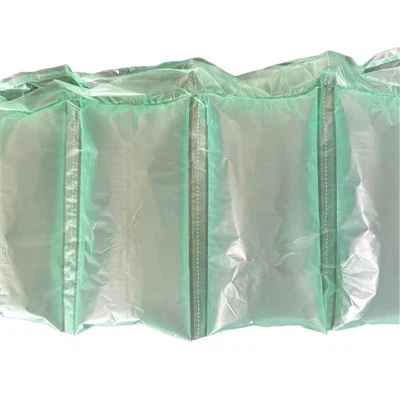
There are different types of shipping cushioning supplies available in the market, including bubble wrap, foam sheets, air pillows, and corrugated inserts. Each type has its own characteristics in terms of density, flexibility, and shock – absorbing capacity, which in turn affect the choice of thickness.
Factors Influencing the Thickness of Shipping Cushioning
1. Fragility of the Shipped Item
The most obvious factor is the fragility of the product you’re shipping. Delicate items like glassware, electronics, and porcelain figurines require more protection than sturdy items such as books or clothing. For example, a high – end glass vase is likely to shatter upon a relatively minor impact. In this case, you’d need a thicker cushioning material to ensure it reaches its destination intact. A good rule of thumb is that the more fragile the item, the thicker the cushioning should be. For extremely fragile items, a thickness of 2 – 3 inches of high – density foam might be necessary.
2. Size and Weight of the Item
The size and weight of the item also play a significant role. Larger and heavier items generally possess more kinetic energy when they experience an impact. This means that they require thicker cushioning to absorb the greater amount of energy. For instance, a large, heavy piece of furniture will need a thicker layer of cushioning compared to a small, lightweight accessory. A 50 – pound machine part may need a 1.5 – 2 – inch thick cushioning layer, while a 5 – pound decorative item could get by with a 0.5 – 1 – inch layer.
3. Shipping Method and Distance
The way you ship the item and the distance it has to travel can affect the cushioning requirements. Items shipped via more rough – handling carriers or those going on long – distance journeys are more likely to experience multiple impacts. For international shipments or those going through multiple transfer points, it’s advisable to use thicker cushioning. For example, if you’re shipping a package across the country by a ground freight service that involves multiple stops and transfers, adding an extra half – inch to the cushioning thickness can provide added security.
4. Packaging Design
The design of the packaging itself can influence the need for cushioning thickness. A well – designed box with internal dividers or compartments can reduce the amount of cushioning required. For example, a box with pre – formed plastic compartments for a set of electronics can provide some level of shock absorption on its own, allowing you to use a thinner layer of additional cushioning. However, if the packaging is a simple box without any internal structure, you’ll need to rely more on the cushioning material and thus may need a thicker layer.
Methods to Determine the Thickness
1. Impact Testing
Impact testing is one of the most accurate ways to determine the appropriate thickness of cushioning. You can conduct simple drop tests at your facility. Obtain a sample of the cushioning material in different thicknesses and place the item you’re shipping inside a box with the cushioning. Then, drop the box from a height that simulates a typical shipping accident. After each drop, inspect the item for damage. Repeat this process with different thicknesses of cushioning until you find the minimum thickness that prevents damage.
However, it’s important to note that you need to follow safety protocols during these tests. Also, make sure to simulate different types of impacts, such as corner drops, edge drops, and flat – on drops, as different shipping scenarios can result in various types of impacts.
2. Using Industry Standards and Guidelines
There are established industry standards and guidelines regarding shipping cushioning. Many organizations, such as the International Safe Transit Association (ISTA), provide recommendations based on the type of product and shipping conditions. These guidelines can serve as a starting point for determining the cushioning thickness. For example, the ISTA has specific test procedures and criteria for different product categories, which can help you select an appropriate thickness of cushioning from a reference point.
3. Consultation with Experts
As a shipping cushioning supplies supplier, I often find that clients benefit from consulting with experts in the field. We have a team of professionals who can assess your specific shipping needs, taking into account all the factors mentioned above. We can analyze your product, packaging, and shipping method and provide personalized recommendations on the thickness of the cushioning material.
Case Studies
Let’s take a look at a couple of case studies to illustrate how these principles are applied in real – world scenarios.
Case Study 1: A Jewelry Manufacturer
A jewelry manufacturer was facing issues with damaged items during shipping. They were using a thin layer of bubble wrap as cushioning. After a detailed analysis, we found that the jewelry pieces were small but extremely fragile. Also, the jewelry was being shipped internationally, which meant it was subject to long – distance travel and multiple handling points.
We recommended switching to a 1 – inch thick high – density foam sheet. After implementing this change, the rate of damaged items dropped significantly. The thicker cushioning provided better protection against impacts, ensuring that the delicate jewelry reached its customers in perfect condition.
Case Study 2: A Furniture Retailer
A furniture retailer was shipping large, heavy pieces of furniture. They were using a relatively thin layer of cushioning, which was not sufficient to protect the furniture during transit. We considered the size and weight of the furniture, as well as the fact that it was being shipped across the country by a ground freight service.
We advised them to use a 2 – inch thick foam padding. This thicker cushioning was able to absorb the high amount of kinetic energy generated by the large and heavy furniture during impacts. As a result, the number of damaged furniture pieces decreased, and customer satisfaction improved.
Conclusion

Determining the thickness of shipping cushioning supplies is not a one – size – fits – all process. It requires careful consideration of multiple factors, including the fragility of the item, its size and weight, the shipping method and distance, and the packaging design. By using methods such as impact testing, referring to industry standards, and consulting with experts, you can make an informed decision.
Industrial Packaging Tape As a trusted supplier of shipping cushioning supplies, we are committed to helping you find the best solution for your shipping needs. Our wide range of cushioning materials, available in various thicknesses, can meet the diverse requirements of different businesses. If you’re looking to optimize your shipping protection and reduce the risk of damaged goods, we invite you to contact us for a detailed consultation. We’ll work closely with you to determine the most appropriate thickness and type of cushioning supplies for your specific products. Let’s ensure that your items reach their destination in perfect condition.
References
- International Safe Transit Association (ISTA), Book of Standards and Recommended Practices
- Packaging Institute, Handbook of Packaging Materials and Technologies
- Snead, M. (2020). Shipping and Logistics Best Practices. Logistics Press.
Zhejiang Dongfang Wanxiang New Materials Co., Ltd.
As one of the most professional shipping cushioning supplies manufacturers in China, we’re featured by quality products and good price. Please rest assured to buy advanced shipping cushioning supplies made in China here from our factory. Contact us for pricelist.
Address: Building 1, 1st Floor, No. 10 Jinwang Road, Changkou Town, Fuyang District, Hangzhou City, Zhejiang Province
E-mail: 56124228@qq.com
WebSite: https://www.wxmaterial.com/
