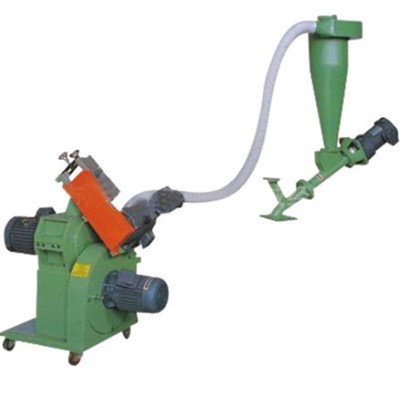
Adjusting the film’s elasticity in a film blowing machine is a crucial aspect of the film production process, as it directly impacts the quality and performance of the final product. As a film blowing machine supplier, I’ve witnessed firsthand the challenges that manufacturers face when trying to achieve the perfect balance of elasticity in their blown films. In this blog post, I’ll share some insights and practical tips on how to adjust the film’s elasticity in a film blowing machine, based on my experience in the industry. Film Blowing Machine
Understanding the Factors Affecting Film Elasticity
Before delving into the adjustment methods, it’s essential to understand the key factors that influence the elasticity of blown films. These factors can be broadly categorized into raw materials, processing conditions, and machine settings.
Raw Materials
- Polymer Resin: The type and quality of polymer resin used are perhaps the most significant determinants of film elasticity. Different polymers, such as polyethylene (PE), polypropylene (PP), and ethylene-vinyl acetate (EVA), have distinct molecular structures and properties that affect the film’s stretchability and recovery. For example, linear low-density polyethylene (LLDPE) is known for its excellent elasticity and toughness, making it a popular choice for applications requiring high stretchability, such as shrink films and stretch hoods.
- Additives: The addition of certain additives can also enhance the film’s elasticity. For instance, elastomeric additives can improve the film’s flexibility and extensibility, while processing aids can reduce friction and improve the flow properties of the polymer melt, resulting in a more uniform and elastic film.
Processing Conditions
- Melt Temperature: The melt temperature of the polymer resin has a significant impact on the film’s elasticity. A higher melt temperature generally leads to a more fluid and less viscous polymer melt, which can result in a thinner and more elastic film. However, excessive melt temperatures can also cause thermal degradation of the polymer, leading to reduced mechanical properties and elasticity. Therefore, it’s crucial to maintain the melt temperature within the optimal range recommended by the resin manufacturer.
- Blow-up Ratio (BUR): The blow-up ratio is defined as the ratio of the final diameter of the blown film to the diameter of the die. A higher blow-up ratio typically results in a more oriented and elastic film, as the polymer molecules are stretched and aligned in the machine and transverse directions. However, increasing the blow-up ratio also increases the risk of film instability and thickness variation. Therefore, it’s important to find the right balance between the blow-up ratio and the desired film properties.
- Cooling Rate: The cooling rate of the blown film affects the crystallization behavior of the polymer, which in turn influences the film’s elasticity. A slower cooling rate allows the polymer molecules more time to crystallize, resulting in a more crystalline and less elastic film. Conversely, a faster cooling rate promotes the formation of a more amorphous structure, which can enhance the film’s elasticity and flexibility.
Machine Settings
- Screw Speed: The screw speed of the extruder determines the rate at which the polymer resin is melted and conveyed through the machine. A higher screw speed generally leads to a higher throughput and a thinner film, but it can also increase the shear stress on the polymer melt, resulting in reduced elasticity. Therefore, it’s important to adjust the screw speed based on the desired film thickness and properties.
- Die Gap: The die gap is the distance between the inner and outer lips of the die. A smaller die gap results in a thinner and more elastic film, as the polymer melt is subjected to higher shear stress and stretching. However, a too-small die gap can also cause excessive pressure buildup and film breakage. Therefore, it’s crucial to select the appropriate die gap based on the polymer resin, film thickness, and blow-up ratio.
- Take-up Speed: The take-up speed of the film winding system determines the rate at which the blown film is pulled away from the die. A higher take-up speed generally leads to a thinner and more elastic film, as the polymer molecules are stretched and oriented in the machine direction. However, increasing the take-up speed also increases the risk of film necking and thickness variation. Therefore, it’s important to adjust the take-up speed based on the desired film thickness and properties.
Adjustment Methods for Film Elasticity
Based on the above factors, here are some practical adjustment methods for optimizing the film’s elasticity in a film blowing machine:
Adjusting the Polymer Resin
- Select the Right Resin: Choose a polymer resin with the appropriate molecular structure and properties for your desired film application. Consult with your resin supplier to determine the best resin grade and formulation for achieving the desired elasticity.
- Blend Resins: Blending different types of polymer resins can be an effective way to tailor the film’s properties, including elasticity. For example, blending LLDPE with high-density polyethylene (HDPE) can improve the film’s stiffness and strength while maintaining its elasticity.
- Use Additives: Incorporate elastomeric additives or processing aids into the polymer resin to enhance the film’s elasticity and processability. However, be careful not to overuse additives, as they can also affect other properties of the film, such as clarity and sealability.
Optimizing the Processing Conditions
- Control the Melt Temperature: Monitor and adjust the melt temperature of the polymer resin to ensure it remains within the optimal range for the specific resin grade. Use a temperature controller and thermocouples to accurately measure and control the melt temperature at different points along the extruder barrel and die.
- Adjust the Blow-up Ratio: Experiment with different blow-up ratios to find the optimal value for achieving the desired film elasticity. Start with a conservative blow-up ratio and gradually increase it while monitoring the film’s properties and stability.
- Control the Cooling Rate: Adjust the cooling air flow rate and temperature to control the cooling rate of the blown film. A faster cooling rate can enhance the film’s elasticity, but it may also increase the risk of film shrinkage and warping. Therefore, it’s important to find the right balance between the cooling rate and the desired film properties.
Fine-tuning the Machine Settings
- Adjust the Screw Speed: Optimize the screw speed of the extruder to achieve the desired film thickness and throughput while maintaining the polymer melt’s quality and elasticity. A lower screw speed may be required for resins with higher viscosity or for producing thicker films.
- Select the Appropriate Die Gap: Choose a die gap that is suitable for the polymer resin, film thickness, and blow-up ratio. A smaller die gap can result in a thinner and more elastic film, but it may also require higher extrusion pressures.
- Control the Take-up Speed: Adjust the take-up speed of the film winding system to ensure that the blown film is pulled away from the die at a consistent and appropriate rate. A higher take-up speed can enhance the film’s elasticity, but it may also cause film necking and thickness variation.
Troubleshooting Common Issues
Despite your best efforts, you may encounter some common issues when adjusting the film’s elasticity in a film blowing machine. Here are some troubleshooting tips to help you address these issues:
Film Necking
Film necking occurs when the blown film narrows or constricts in the middle, resulting in a non-uniform film thickness. This can be caused by a variety of factors, including a too-high take-up speed, a too-small die gap, or an uneven cooling rate. To fix this issue, try reducing the take-up speed, increasing the die gap, or adjusting the cooling air flow to ensure a more uniform cooling rate.
Film Thickness Variation
Film thickness variation can occur due to a variety of factors, such as uneven melt flow, inconsistent screw speed, or a misaligned die. To address this issue, check the melt temperature and pressure at different points along the extruder barrel and die to ensure a uniform melt flow. Adjust the screw speed and die gap as needed to achieve a consistent film thickness. Additionally, make sure the die is properly aligned and maintained to prevent any misalignment or wear.
Poor Film Elasticity
If the film has poor elasticity, it may be due to a variety of factors, such as the wrong polymer resin, improper processing conditions, or incorrect machine settings. To improve the film’s elasticity, review the factors mentioned above and make the necessary adjustments. For example, try switching to a different resin grade with better elasticity, optimizing the melt temperature and blow-up ratio, or fine-tuning the machine settings.
Conclusion
Adjusting the film’s elasticity in a film blowing machine is a complex process that requires a thorough understanding of the factors affecting film properties and the appropriate adjustment methods. By carefully selecting the polymer resin, optimizing the processing conditions, and fine-tuning the machine settings, you can achieve the desired film elasticity and quality.
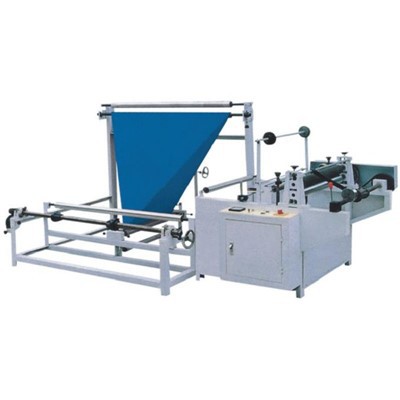
Bag Making Machine As a film blowing machine supplier, we are committed to providing our customers with high-quality machines and comprehensive technical support to help them optimize their film production processes. If you have any questions or need further assistance with adjusting the film’s elasticity in your film blowing machine, please don’t hesitate to contact us. We are here to help you achieve the best possible results and grow your business.
References
- "Plastic Film Blowing: A Practical Guide" by John Murphy
- "Polymer Processing: Principles and Design" by Zehev Tadmor and Costas G. Gogos
- Resin manufacturer’s technical data sheets and application guides
Ruian Huawei Machinery Co., Ltd.
As one of the most professional film blowing machine suppliers in China, we’re featured by quality products and low price. Please rest assured to buy discount film blowing machine made in China here from our factory. Also, quotation is available.
Address: No. 1, Building 2, Jingye Road, Dongshan Street, Rui’an City, Zhejiang Province
E-mail: 13695753569@163.com
WebSite: https://www.hw-machines.com/
