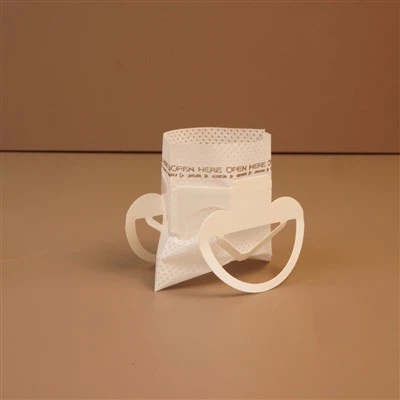
As a supplier of empty coffee drip bags, I’ve encountered numerous inquiries about the best way to seal these bags. In this blog post, I’ll delve into the different sealing methods, their pros and cons, and provide insights to help you make an informed decision for your coffee business. Empty Coffee Drip Bag
Understanding the Importance of Sealing
Before we explore the sealing methods, it’s crucial to understand why proper sealing is essential for empty coffee drip bags. A well – sealed bag serves multiple purposes. Firstly, it preserves the freshness of the coffee. Coffee is highly susceptible to oxidation, moisture, and odors. A tight seal prevents air and moisture from entering the bag, which can degrade the coffee’s flavor and aroma over time. Secondly, it ensures the integrity of the packaging. A secure seal prevents the coffee grounds from leaking out during storage, transportation, and handling, maintaining a clean and professional appearance.
Heat Sealing
One of the most common and effective ways to seal empty coffee drip bags is heat sealing. Heat sealing works by applying heat to the edges of the bag, melting the plastic or laminated material and fusing them together.
Advantages
- Strong and Secure: Heat – sealed bags provide a strong and reliable seal that can withstand the rigors of transportation and storage. The fused edges create a barrier that is difficult to break, ensuring that the coffee remains fresh and protected.
- Customizable: Heat sealing can be adjusted to suit different bag materials and thicknesses. You can control the temperature, pressure, and sealing time to achieve the optimal seal for your specific coffee drip bags.
- High – Speed Production: Heat – sealing machines can operate at high speeds, making them suitable for large – scale production. This is particularly beneficial for coffee roasters and suppliers who need to seal a large number of bags efficiently.
Disadvantages
- Equipment Cost: Investing in a heat – sealing machine can be expensive, especially for small businesses or startups. The cost of the machine, as well as maintenance and training, can add up.
- Material Compatibility: Not all bag materials are suitable for heat sealing. Some materials may melt unevenly or produce a weak seal, which can compromise the quality of the packaging.
Ultrasonic Sealing
Ultrasonic sealing is another advanced method for sealing empty coffee drip bags. This process uses high – frequency ultrasonic vibrations to generate heat at the sealing interface, melting and bonding the materials together.
Advantages
- Precise and Clean: Ultrasonic sealing provides a precise and clean seal. The vibrations create a uniform bond without the need for additional adhesives, resulting in a professional – looking finish.
- Fast and Energy – Efficient: Ultrasonic sealing is a fast process that consumes less energy compared to traditional heat sealing. This can lead to cost savings in the long run, especially for high – volume production.
- Versatile: Ultrasonic sealing can be used with a wide range of bag materials, including laminated films, paper, and non – woven fabrics. It is also suitable for sealing bags with different shapes and sizes.
Disadvantages
- Initial Investment: Similar to heat sealing, ultrasonic sealing requires specialized equipment, which can be costly. The equipment also needs to be properly maintained to ensure optimal performance.
- Technical Expertise: Operating an ultrasonic sealing machine requires technical expertise. Improper settings or handling can result in poor seals or damage to the bags.
Adhesive Sealing
Adhesive sealing involves using an adhesive to bond the edges of the coffee drip bag. This method is commonly used for bags made of paper or other porous materials.
Advantages
- Simple and Cost – Effective: Adhesive sealing is a relatively simple and cost – effective method. It does not require expensive equipment, making it suitable for small – scale operations or businesses on a budget.
- Good for Porous Materials: Adhesive sealing works well with porous materials such as paper, which may not be suitable for heat or ultrasonic sealing. The adhesive can penetrate the material and create a strong bond.
Disadvantages
- Limited Shelf Life: Adhesives can degrade over time, especially when exposed to heat, moisture, or certain chemicals. This can result in a weakened seal and a shorter shelf life for the coffee.
- Messy and Inconsistent: Applying adhesive can be messy, and the quality of the seal may vary depending on the application method. Inconsistent seals can lead to leakage and product spoilage.
Zip – Lock Sealing
Zip – lock sealing is a convenient option for coffee drip bags. It allows consumers to easily open and reseal the bag, keeping the coffee fresh between uses.
Advantages
- Consumer – Friendly: Zip – lock seals are easy to use, providing a convenient way for consumers to access their coffee. This can enhance the customer experience and increase brand loyalty.
- Reusable: Zip – lock bags can be reused multiple times, reducing waste and environmental impact.
- Visible and Attractive: The clear zip – lock strip on the bag allows consumers to see the coffee inside, which can be an effective marketing tool.
Disadvantages
- Lower Seal Integrity: Compared to heat, ultrasonic, or adhesive sealing, zip – lock seals may not provide the same level of protection against air and moisture. This can lead to a shorter shelf life for the coffee.
- Higher Cost: Zip – lock bags are generally more expensive than traditional sealed bags due to the additional manufacturing process and materials.
Choosing the Best Sealing Method
When choosing the best sealing method for your empty coffee drip bags, several factors need to be considered:
- Bag Material: Different materials require different sealing methods. For example, heat sealing is suitable for plastic – laminated bags, while adhesive sealing may be better for paper bags.
- Production Volume: If you have a high – volume production, heat or ultrasonic sealing may be more efficient. For small – scale operations, adhesive or zip – lock sealing may be more cost – effective.
- Product Shelf Life: If you need to ensure a long shelf life for your coffee, heat or ultrasonic sealing may be the best option. Zip – lock seals are more suitable for products that will be consumed relatively quickly.
- Budget: Consider your budget when investing in sealing equipment. Adhesive sealing and zip – lock bags are generally more affordable, while heat and ultrasonic sealing require a higher initial investment.
Conclusion

In conclusion, there is no one – size – fits – all solution when it comes to sealing empty coffee drip bags. Each sealing method has its own advantages and disadvantages, and the best choice depends on your specific needs and requirements. As a supplier of empty coffee drip bags, I’m here to help you find the most suitable sealing solution for your business. Whether you’re a small coffee roaster or a large – scale distributor, we can provide you with high – quality bags and expert advice on sealing methods.
Labeling Machine If you’re interested in learning more about our empty coffee drip bags or discussing the best sealing options for your products, please don’t hesitate to reach out. We’re eager to work with you to ensure that your coffee is packaged in the best possible way.
References
- Smith, J. (2018). Packaging Technology for Food Products. New York: Wiley.
- Brown, A. (2020). Coffee Packaging: Trends and Innovations. Journal of Food Packaging Science, 15(2), 78 – 85.
- Green, C. (2019). Sealing Methods for Flexible Packaging. Packaging Digest, 22(4), 32 – 39.
Hangzhou Wish Import & Export Trading Co., Ltd.
As one of the most professional empty coffee drip bag manufacturers and suppliers in China, we’re featured by quality products and good price. Please rest assured to wholesale bulk cheap empty coffee drip bag made in China here from our factory. Customized orders are welcome.
Address: Room 418, Yilong Business Building, Shangcheng District, Hangzhou City, Zhejiang Province
E-mail: chris@hzwishpack.com
WebSite: https://www.ecopacky.com/
